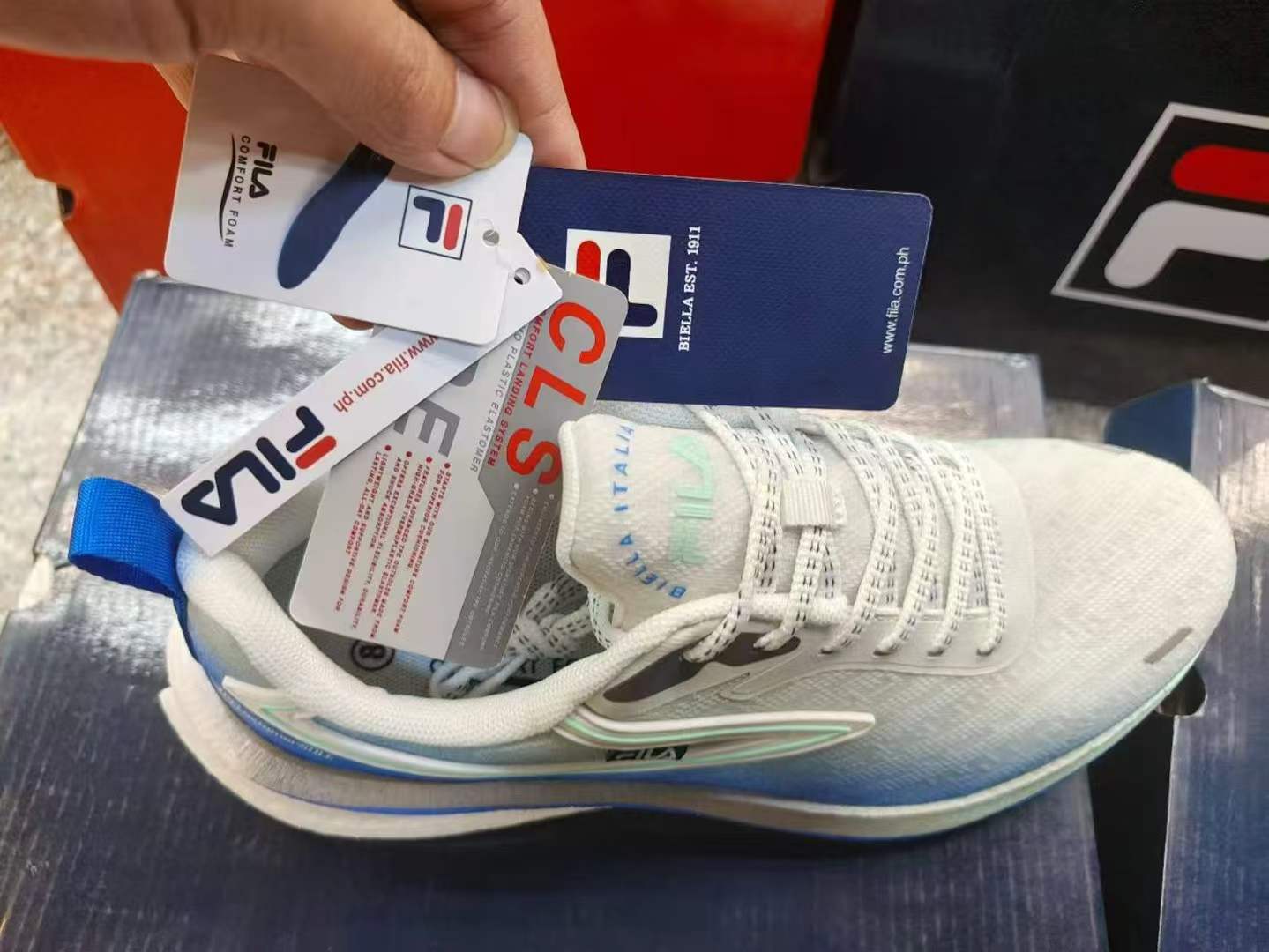
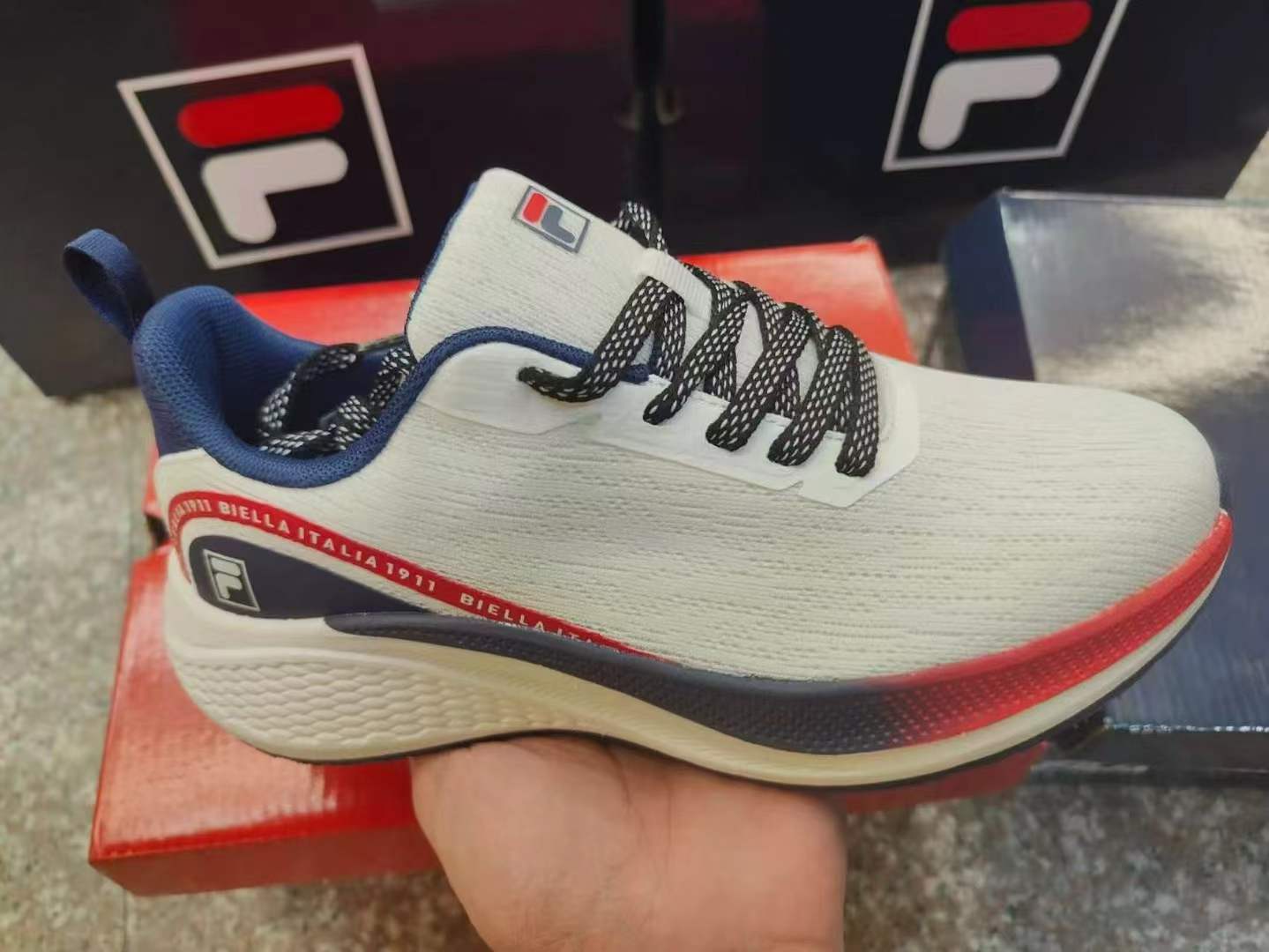
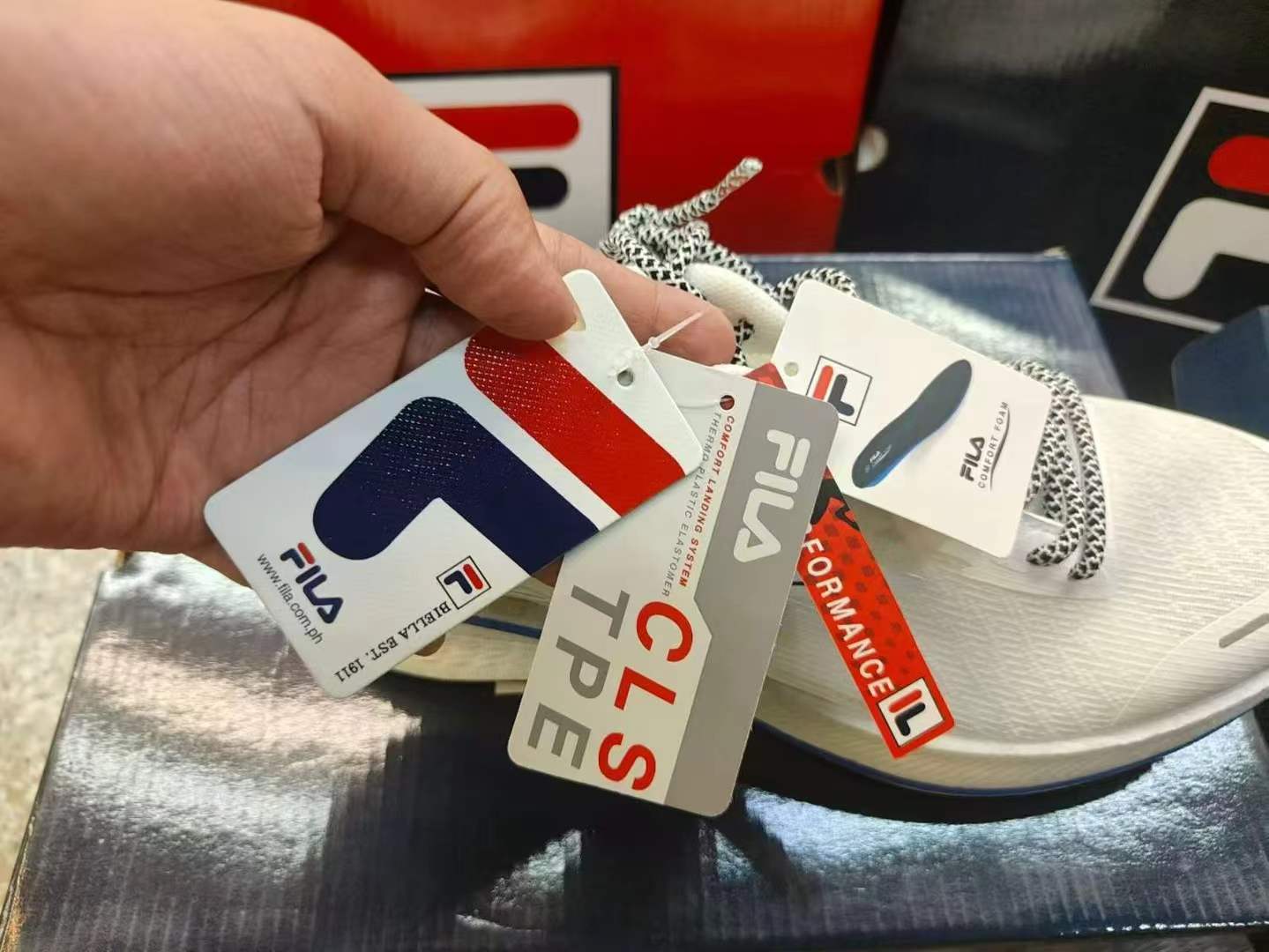
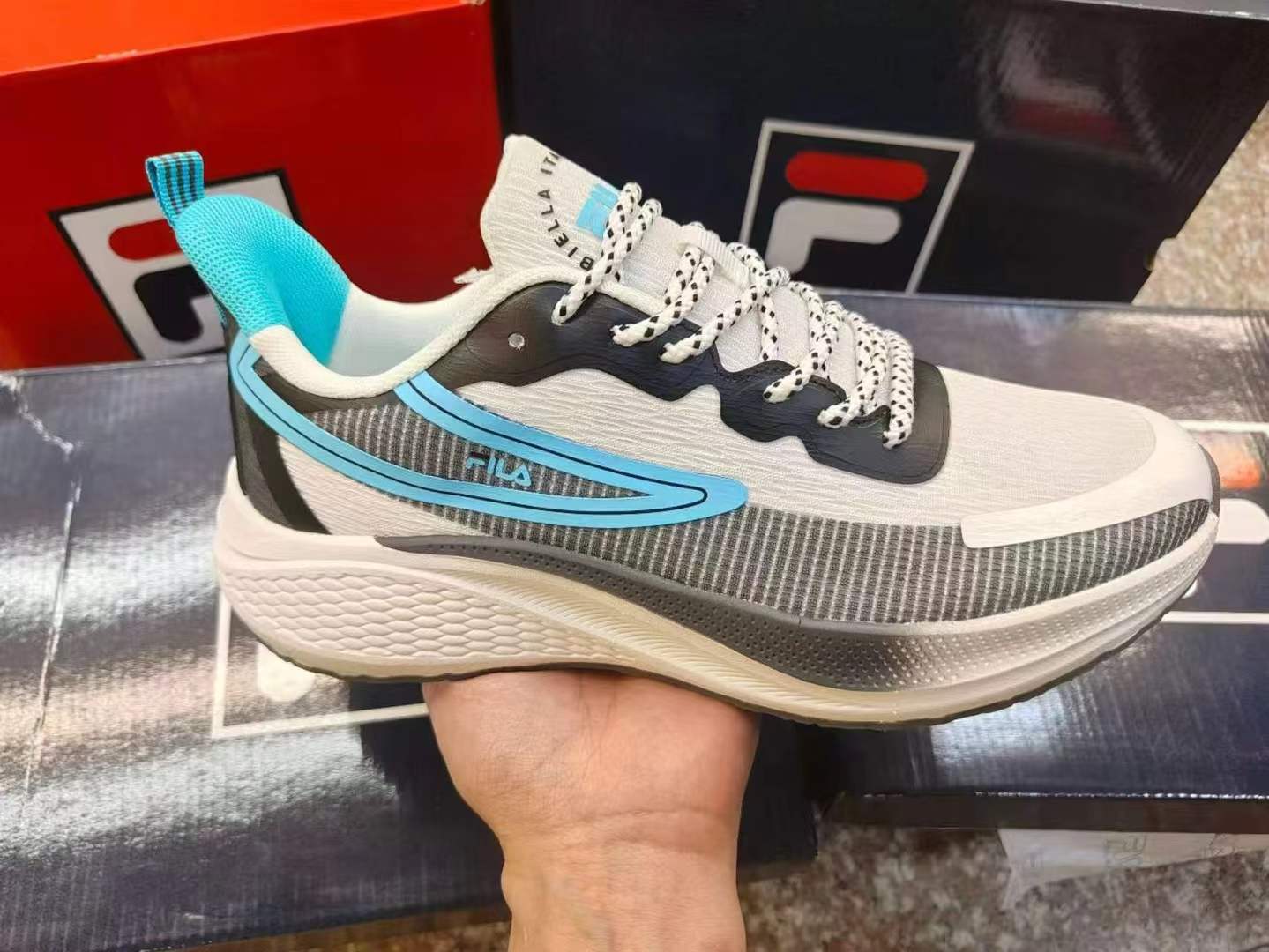
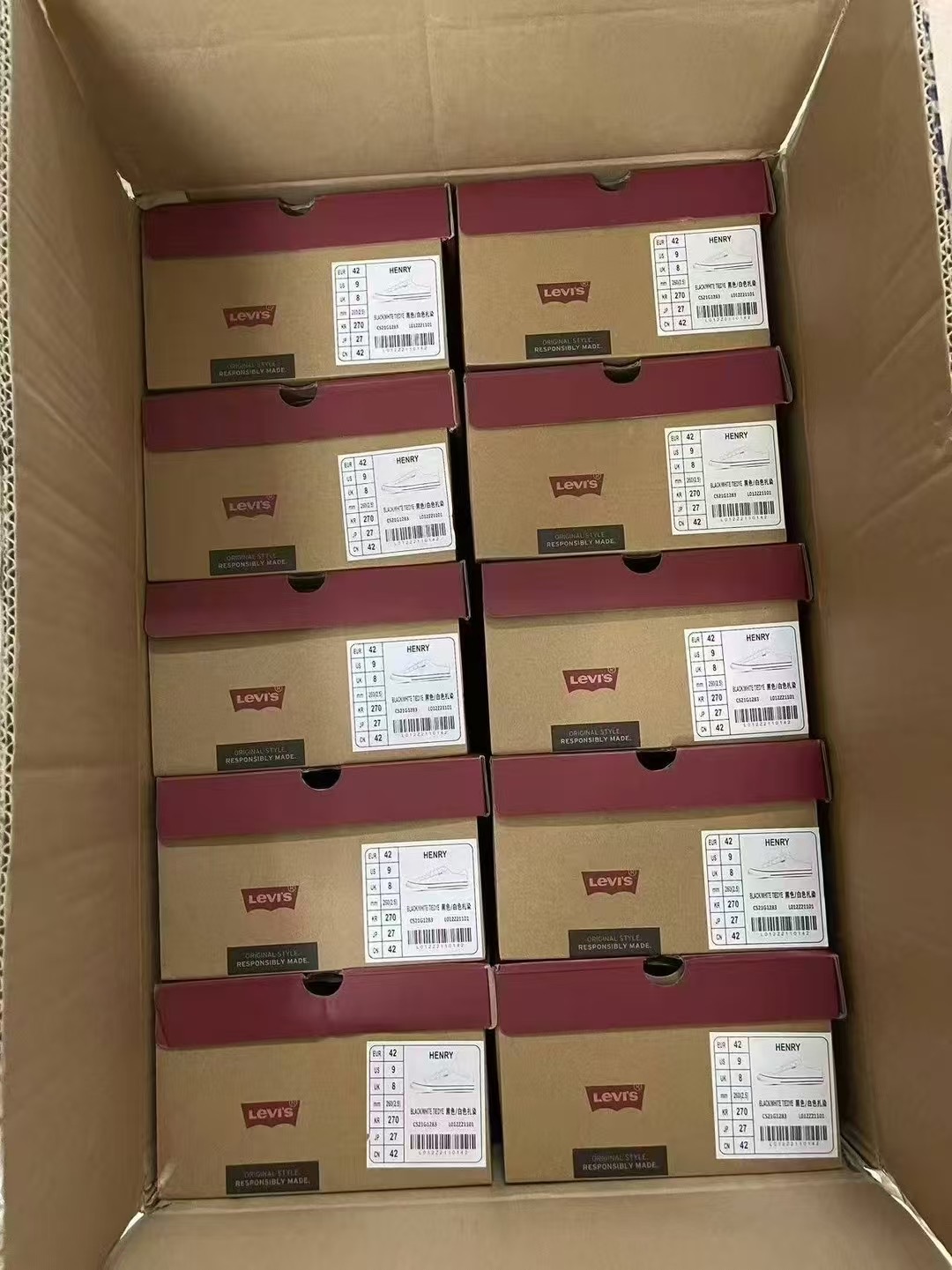
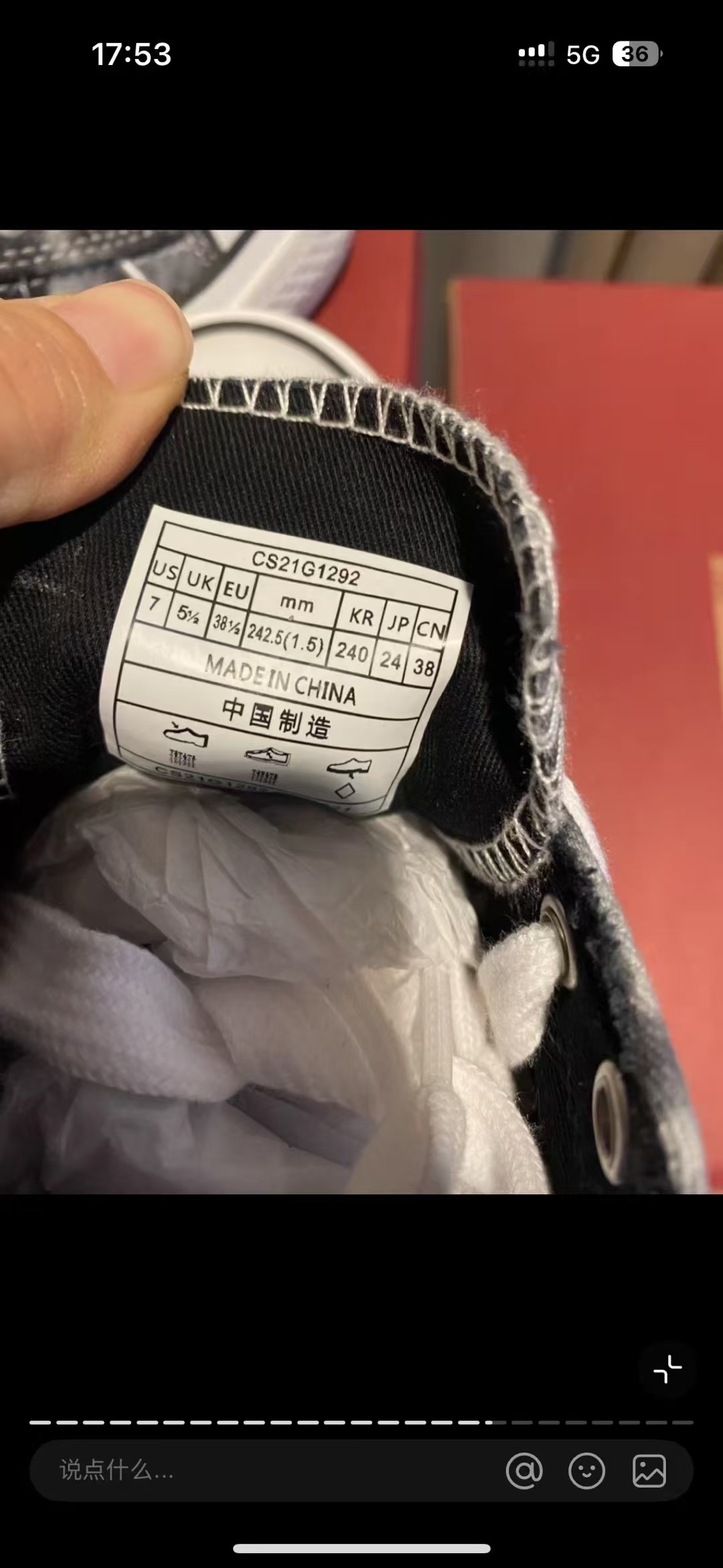
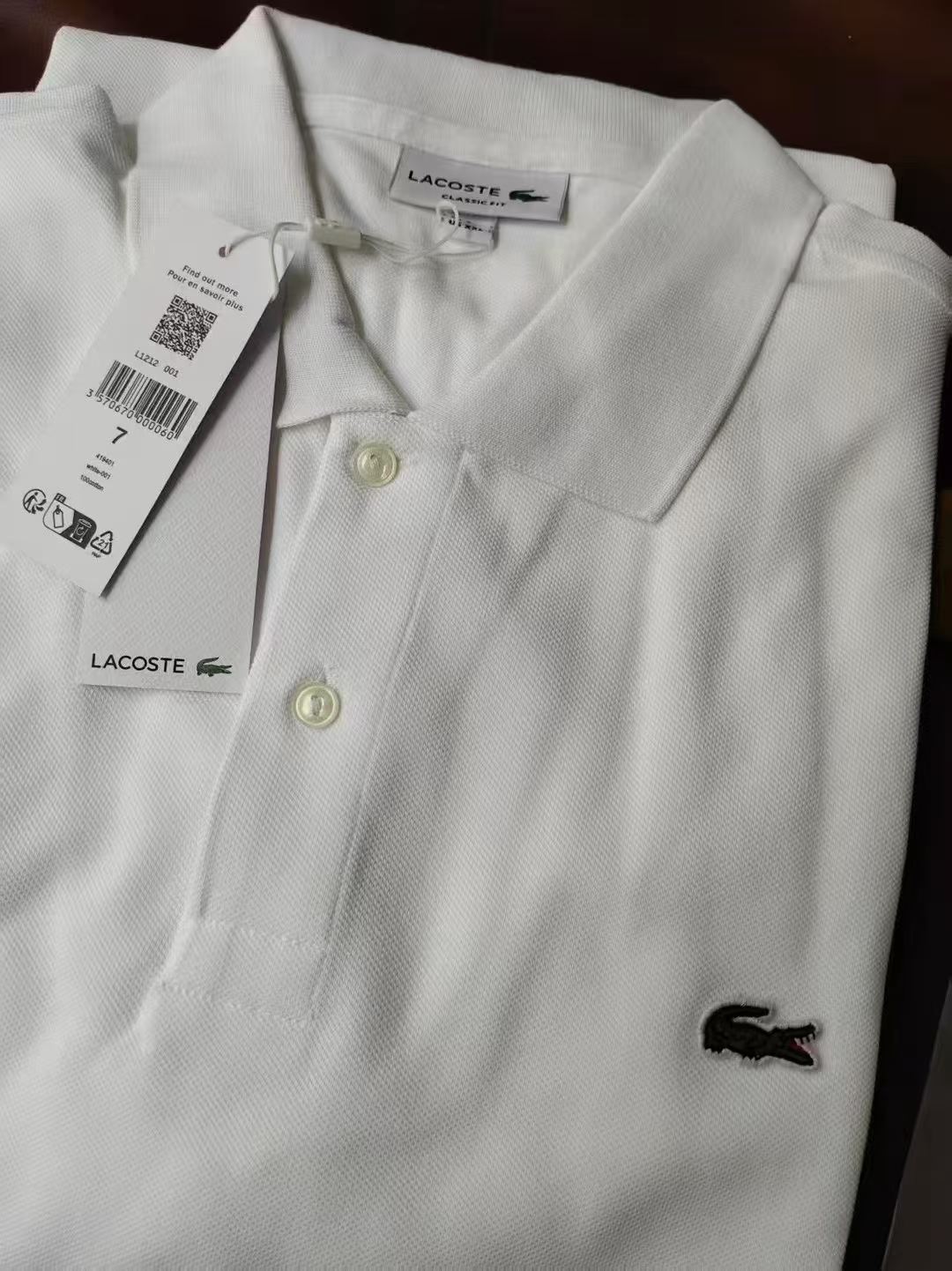
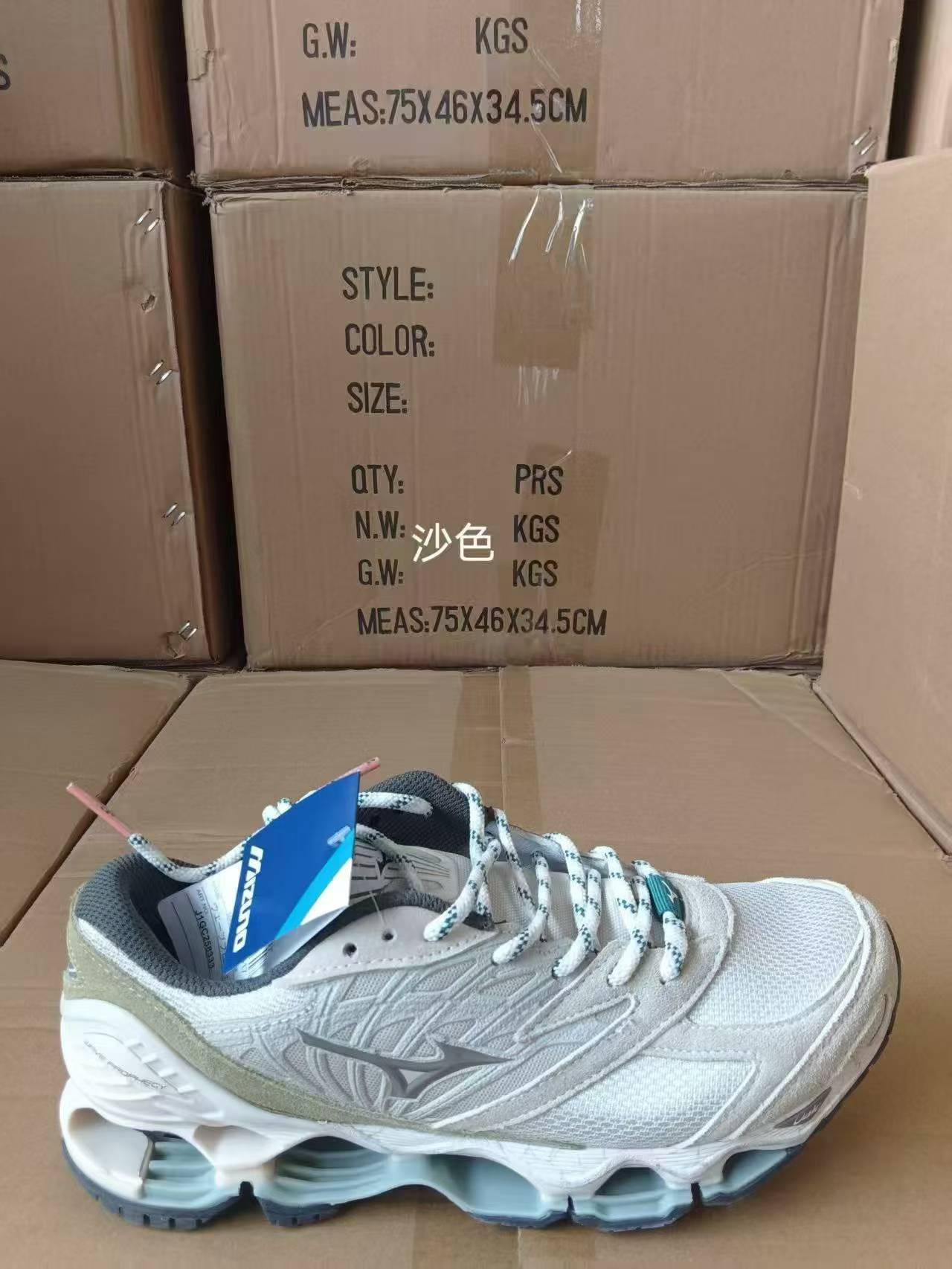
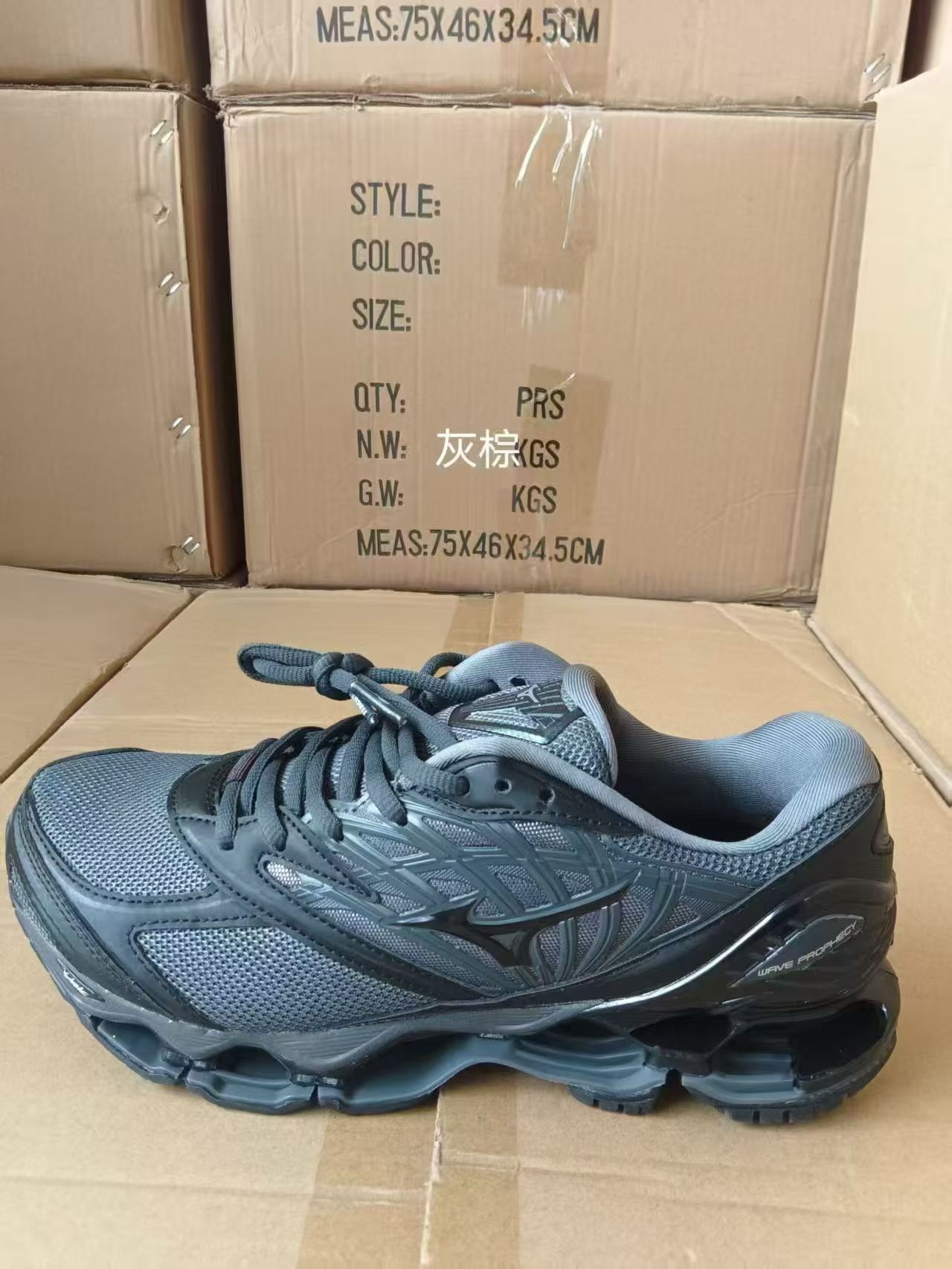
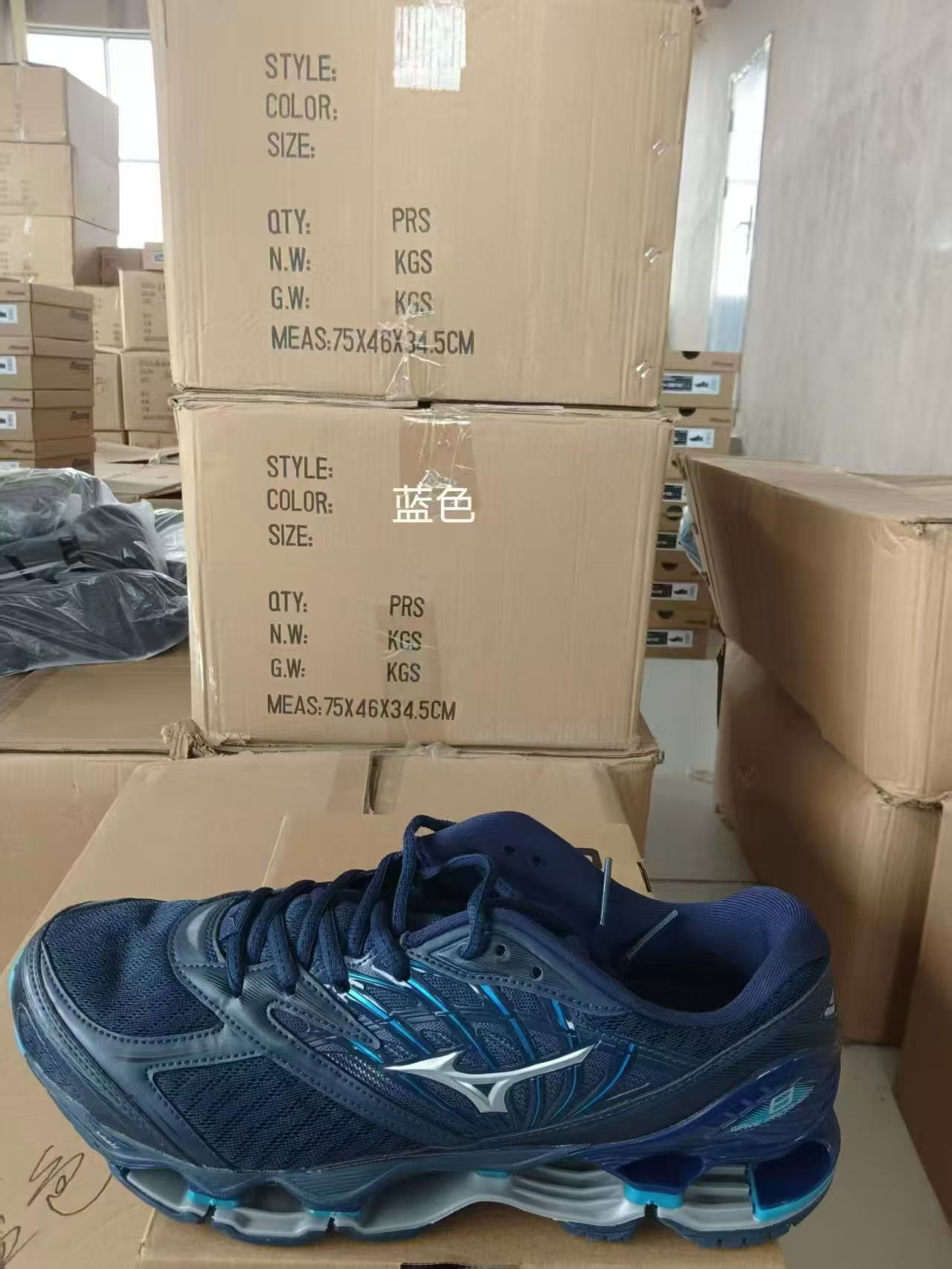
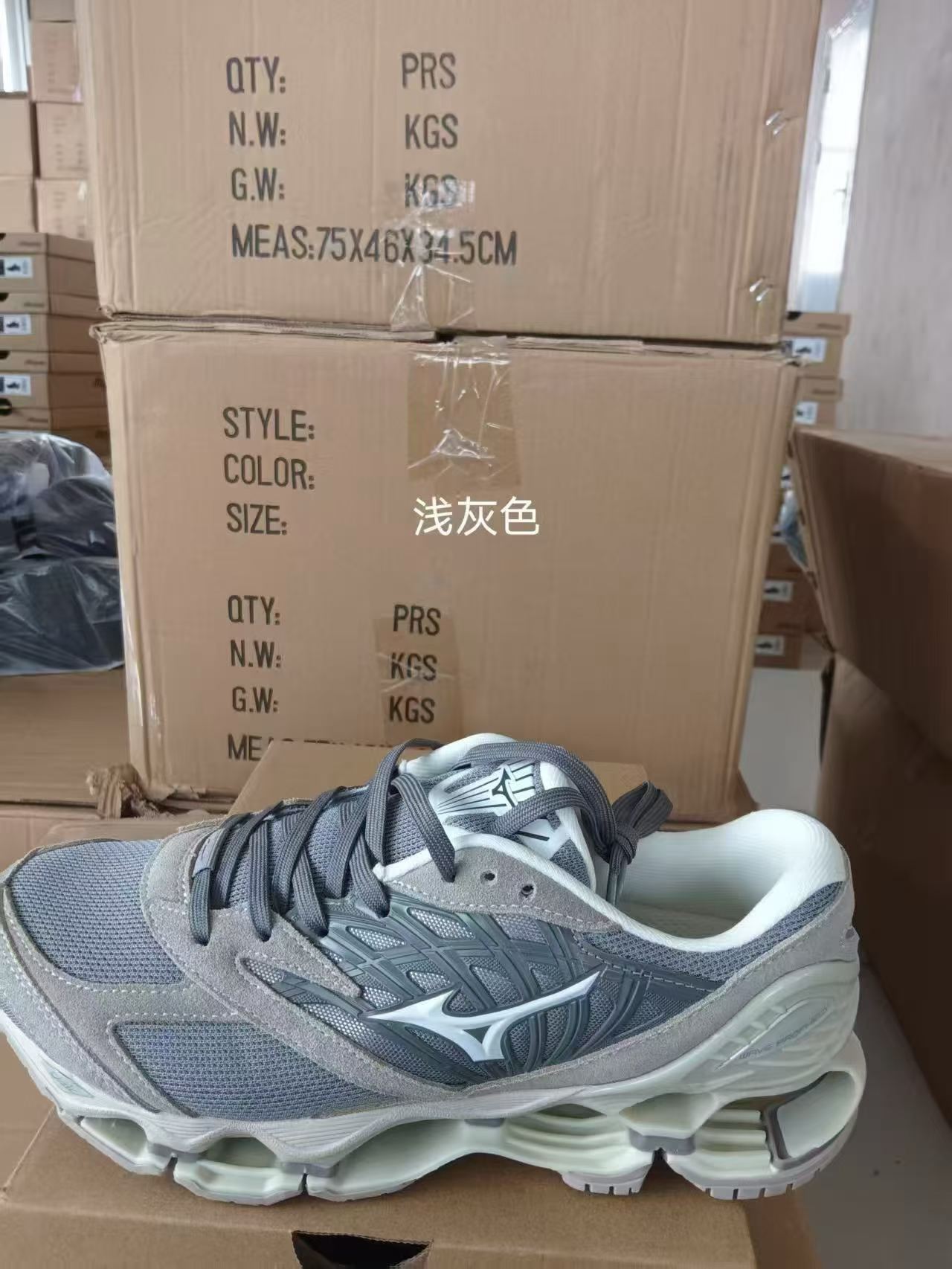
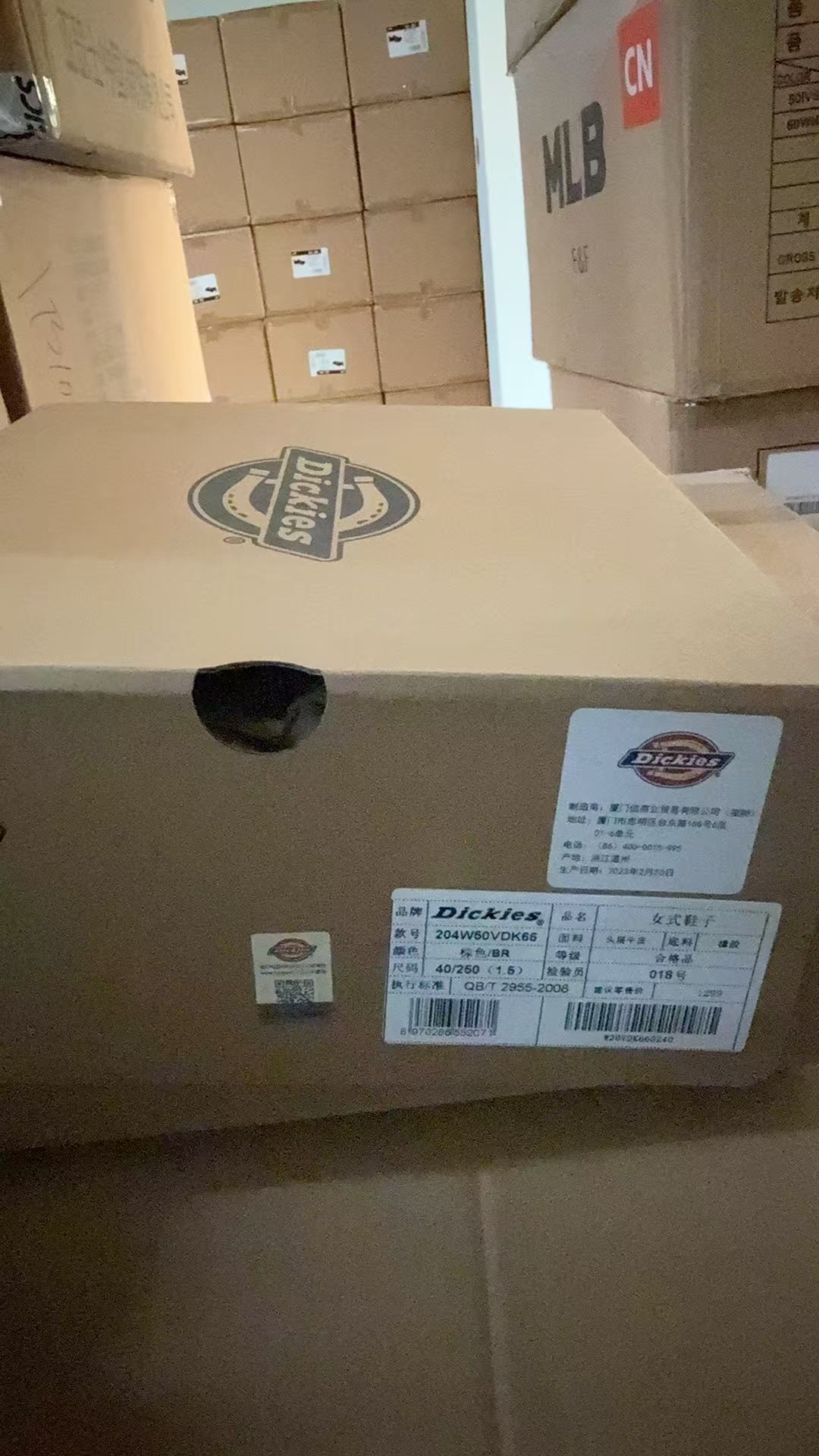
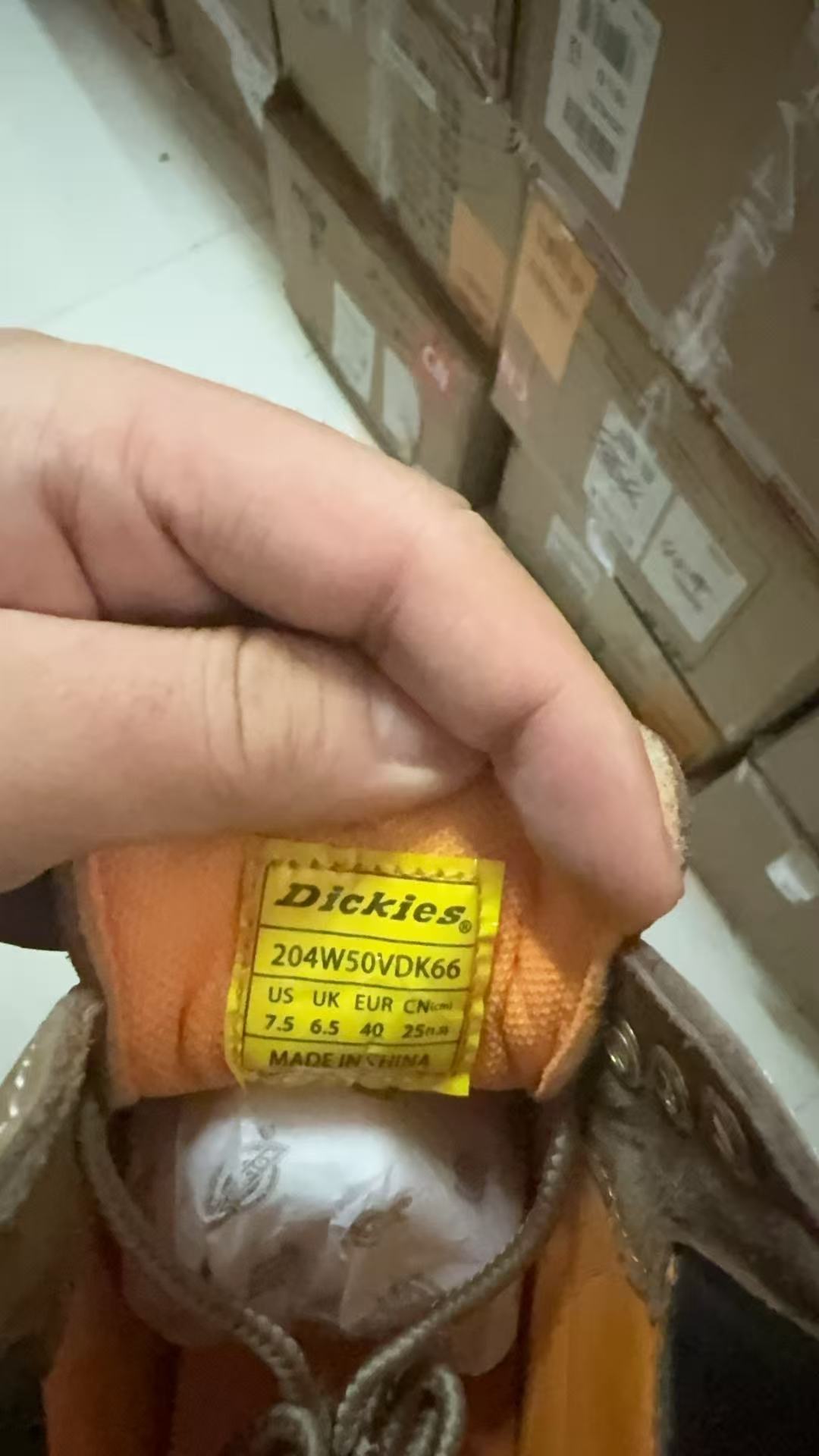
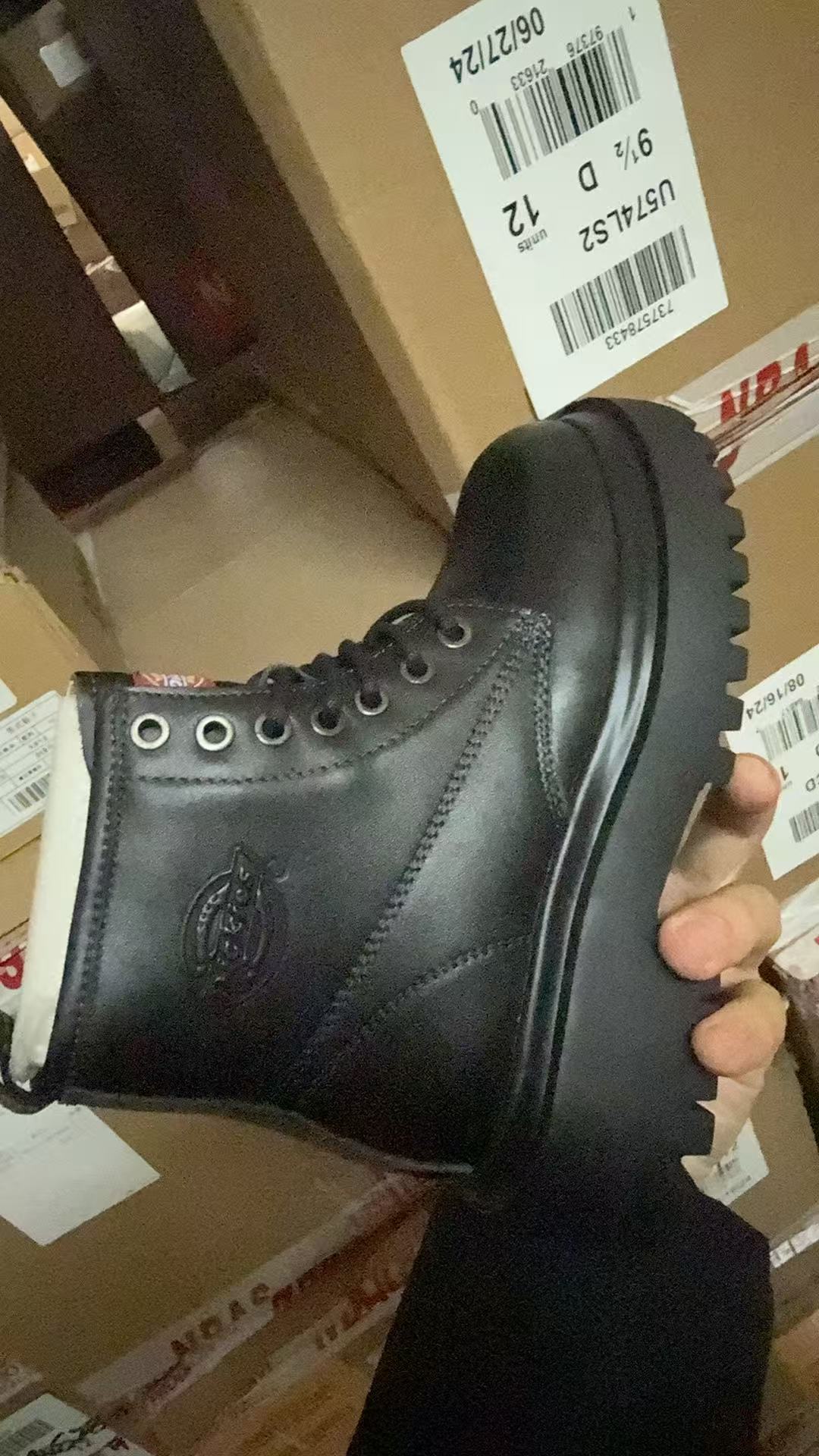
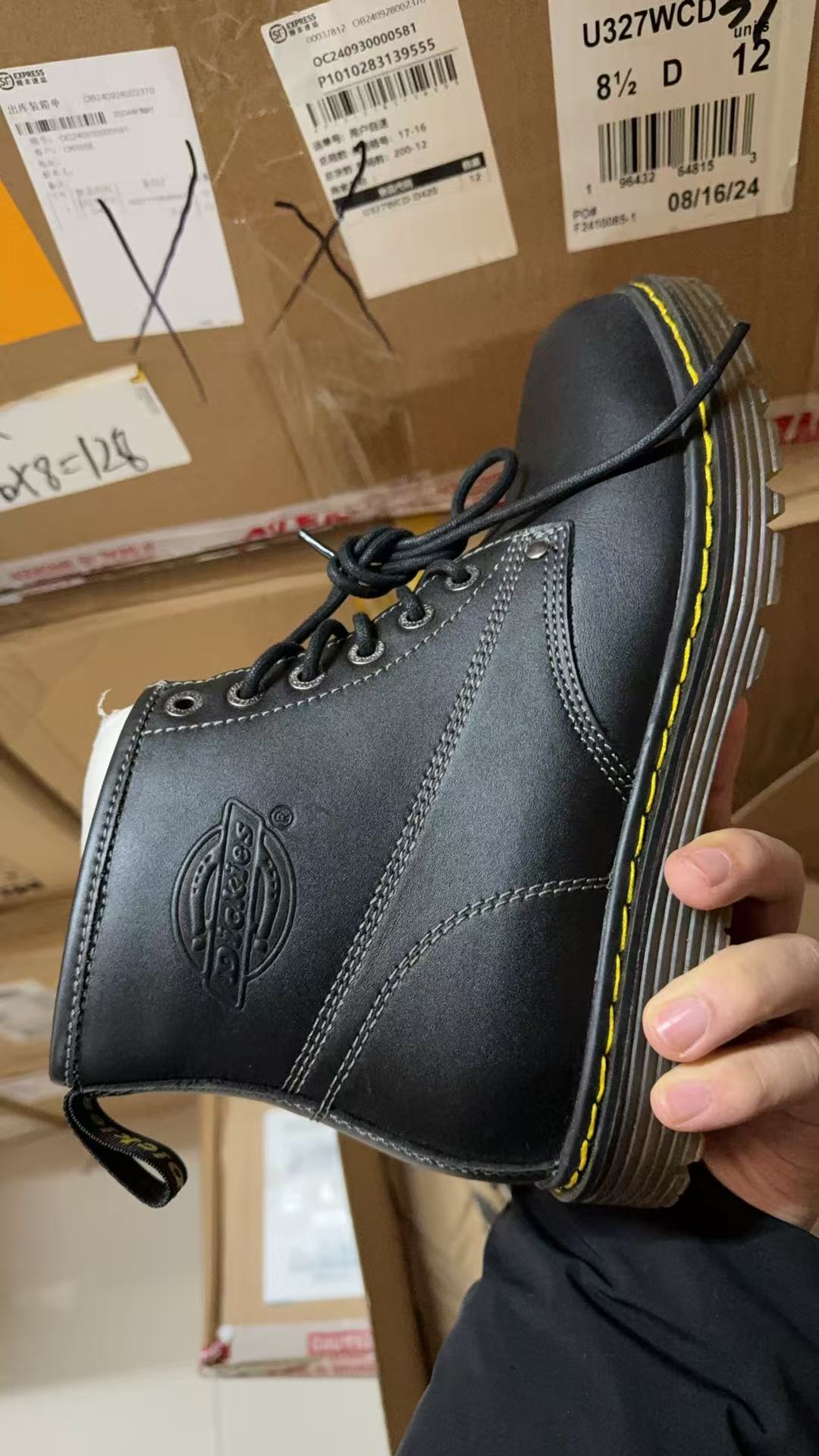
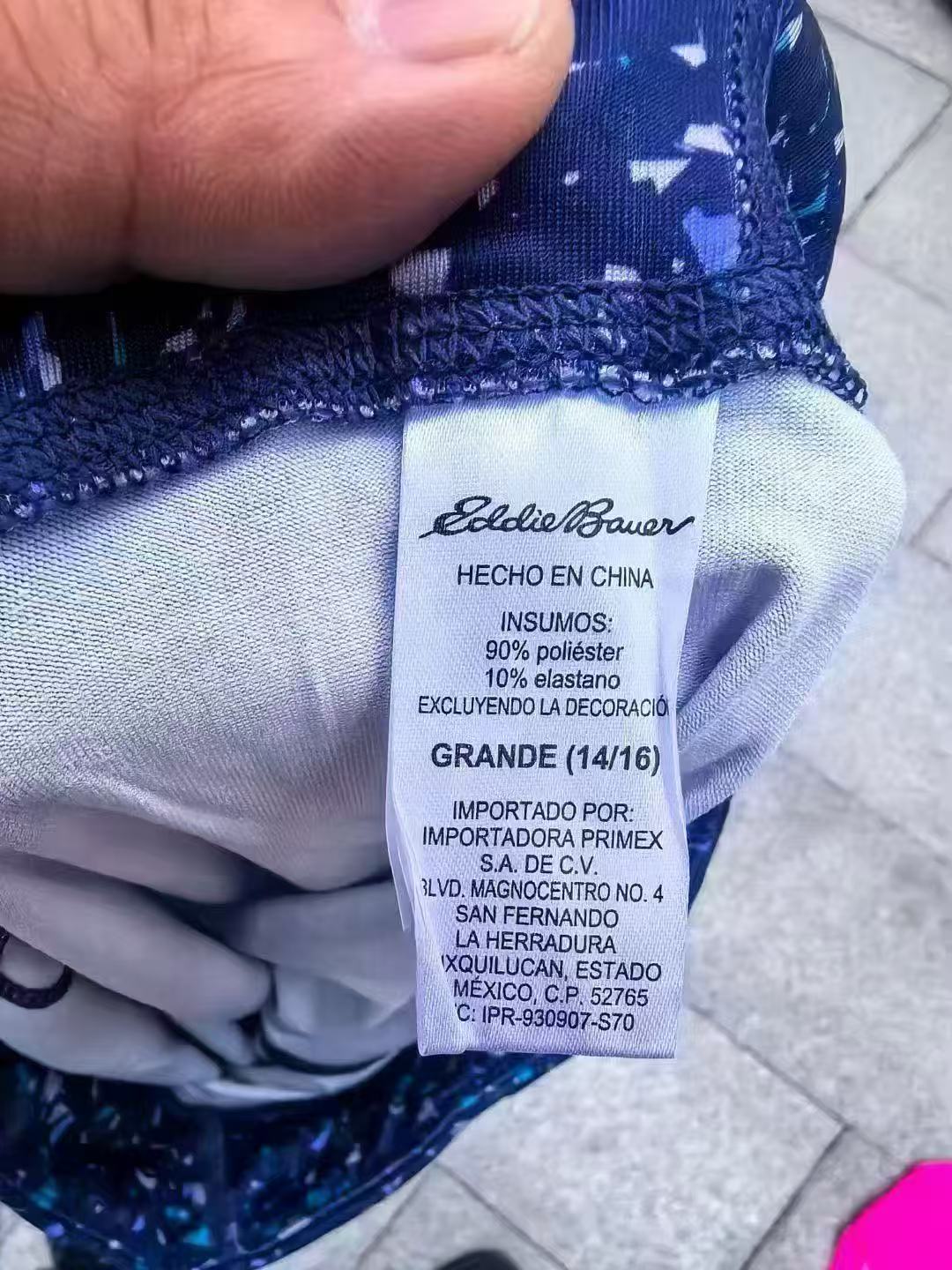
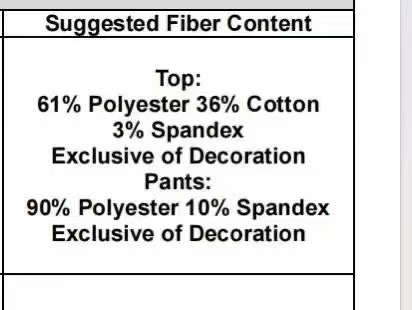
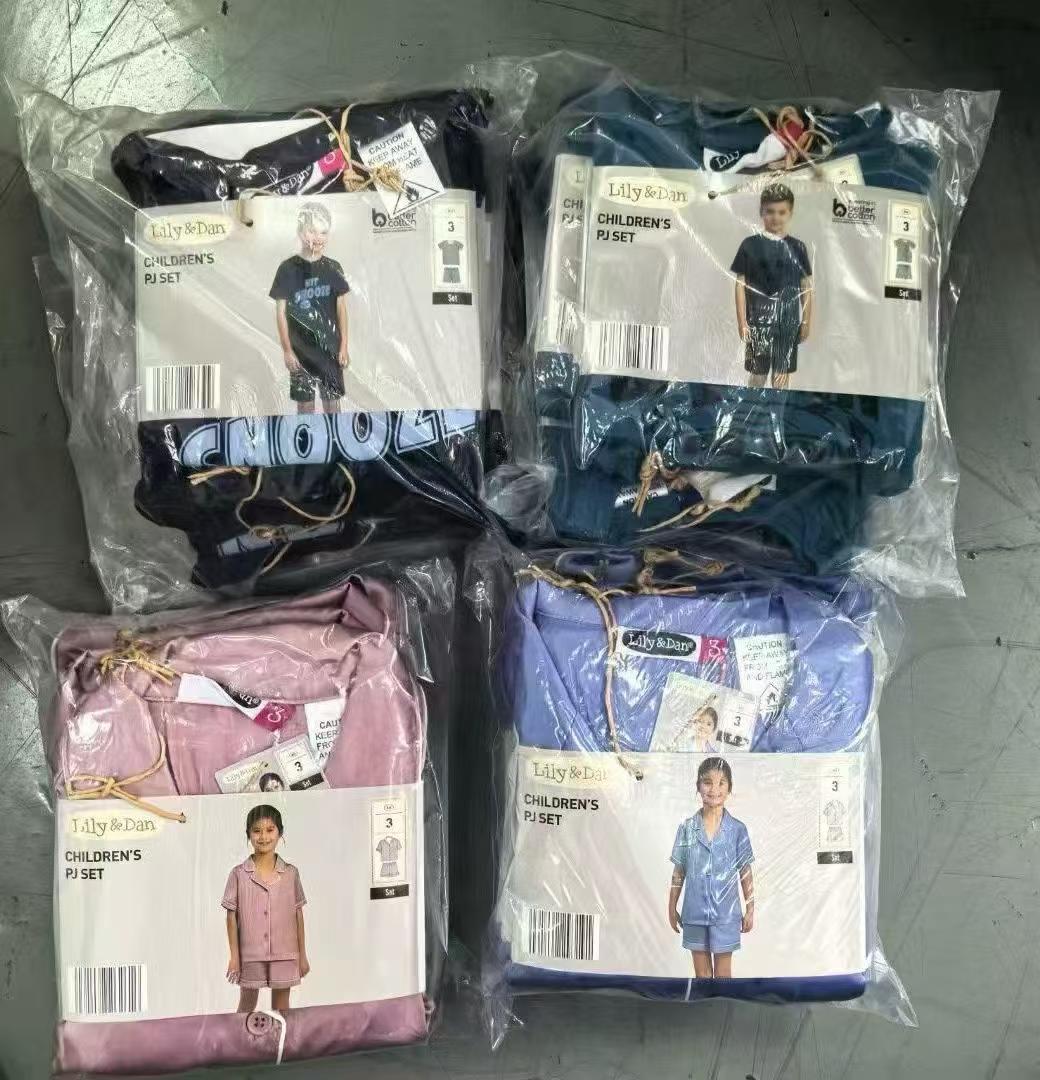
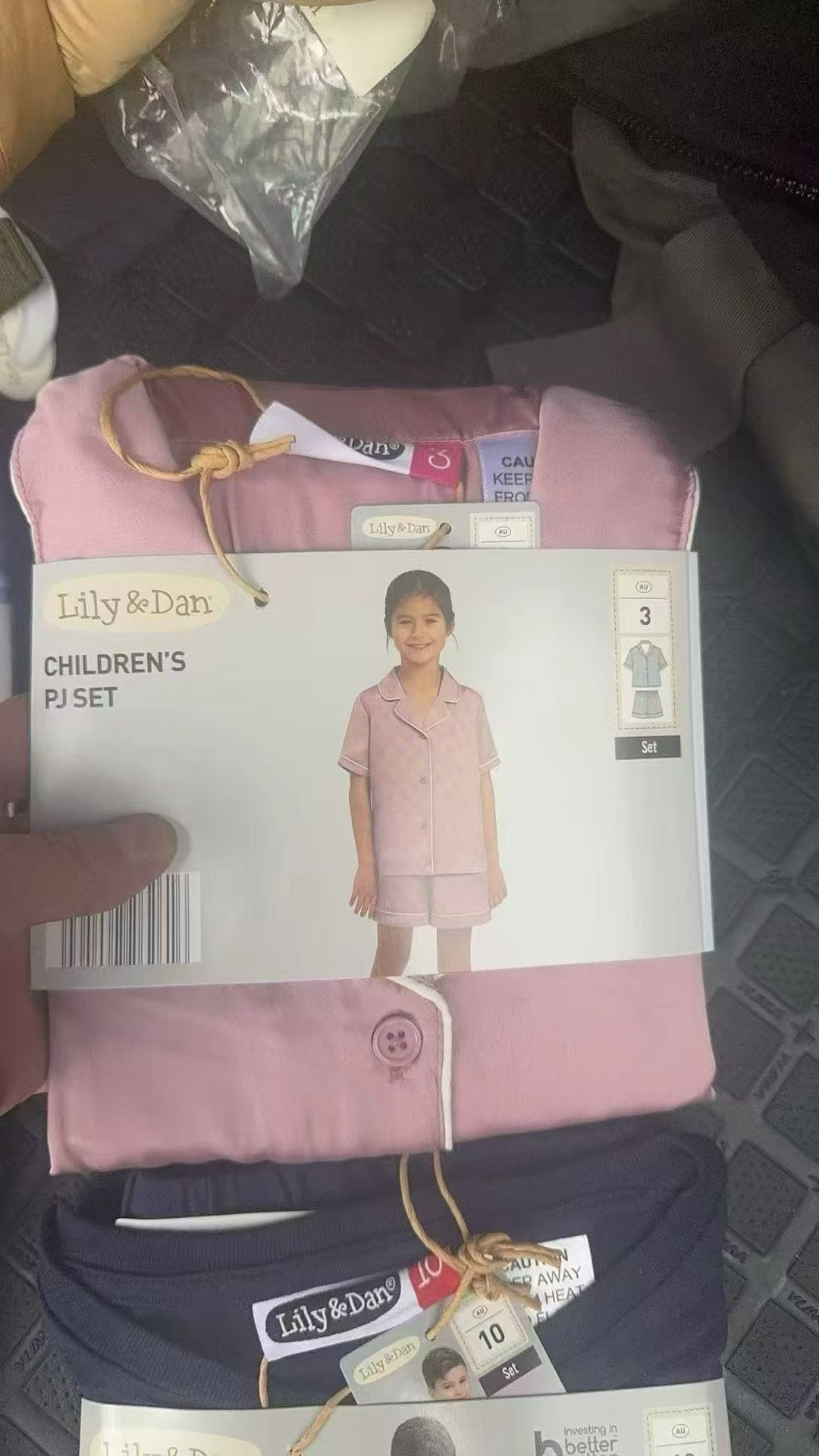
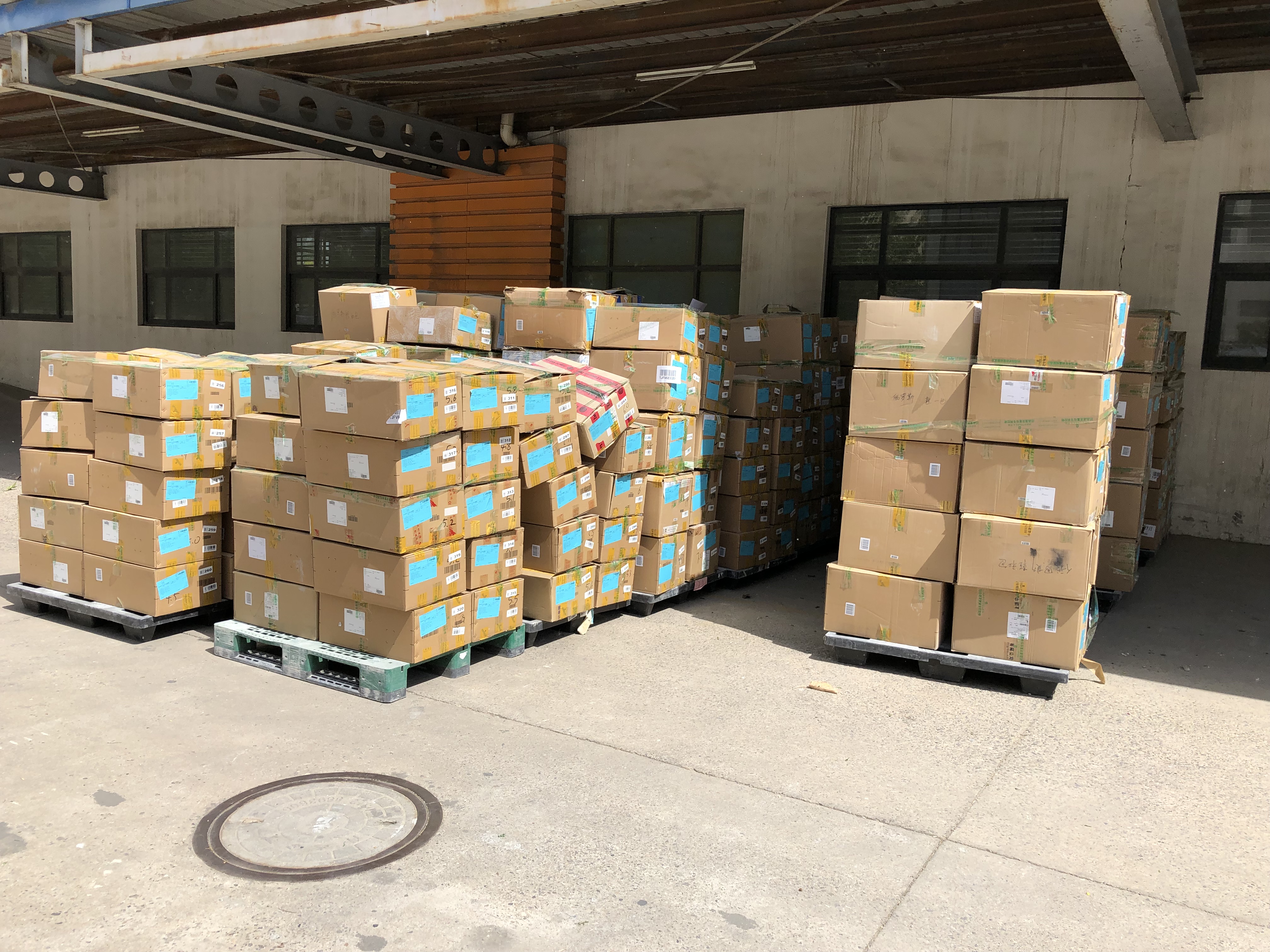
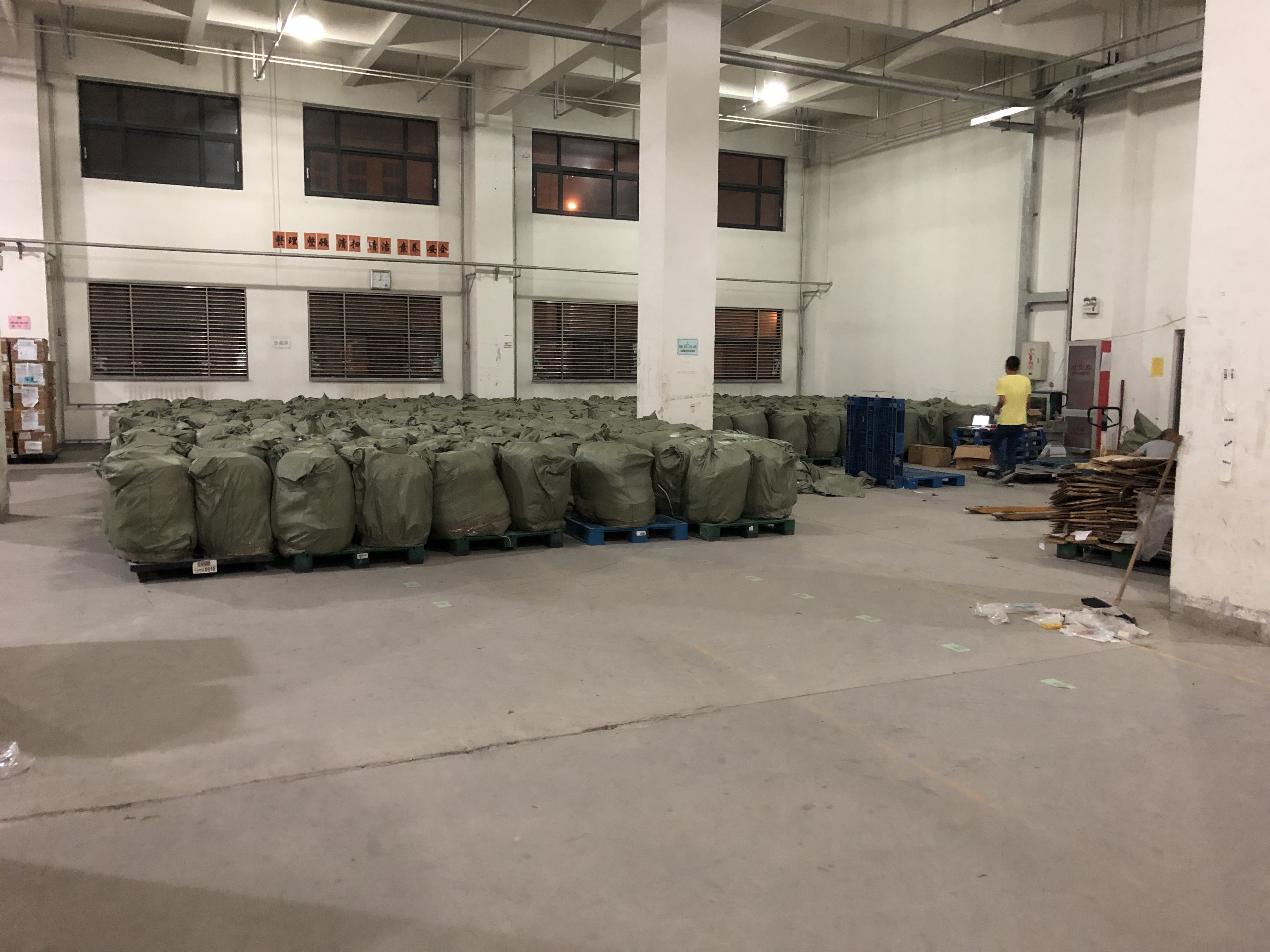
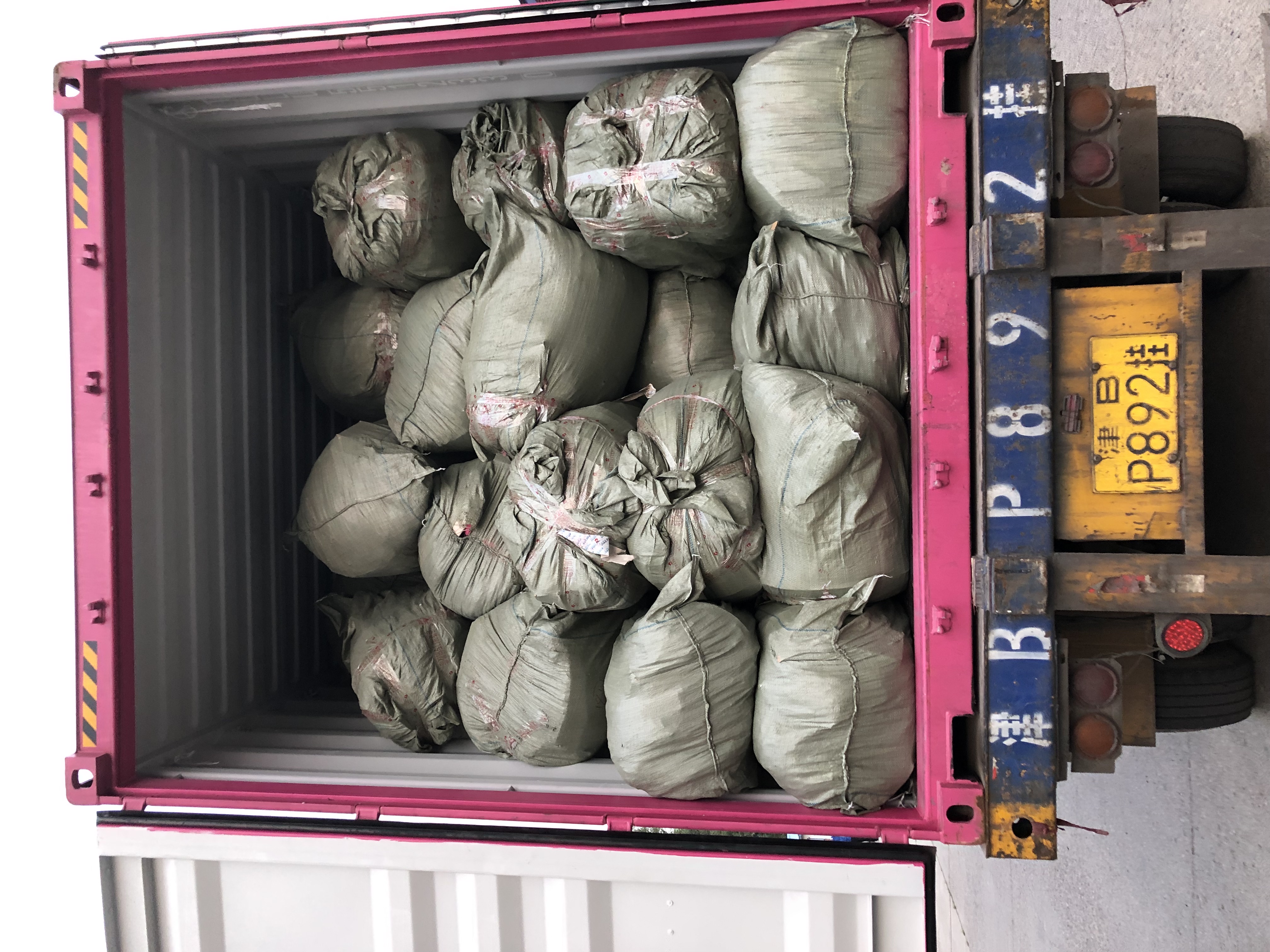
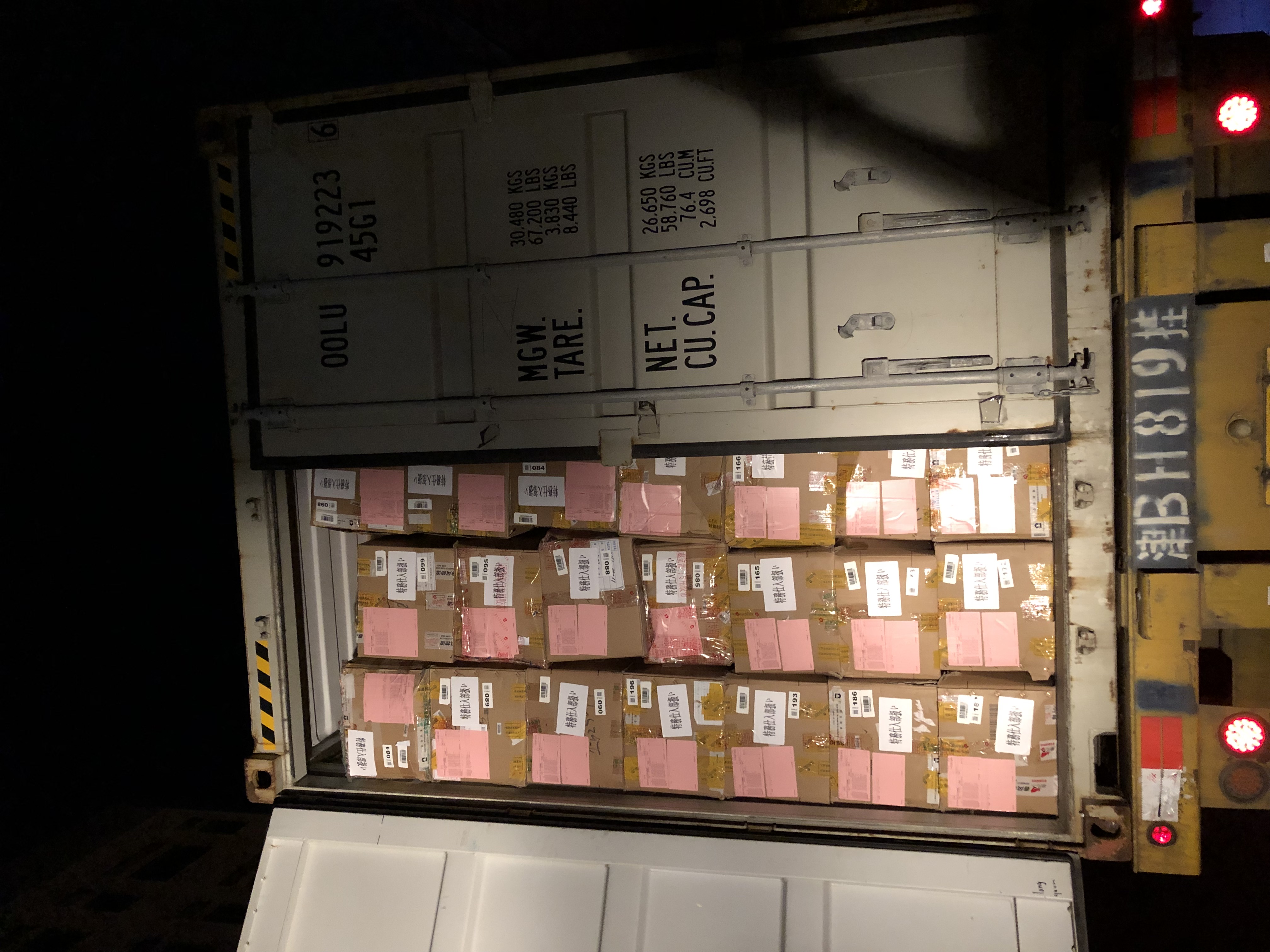
📊 IN-DEPTH ANALYSIS: A reflection on the essence of inventory trading — why information advantage outweighs inventory holding in non-standard goods markets.
Executive Summary
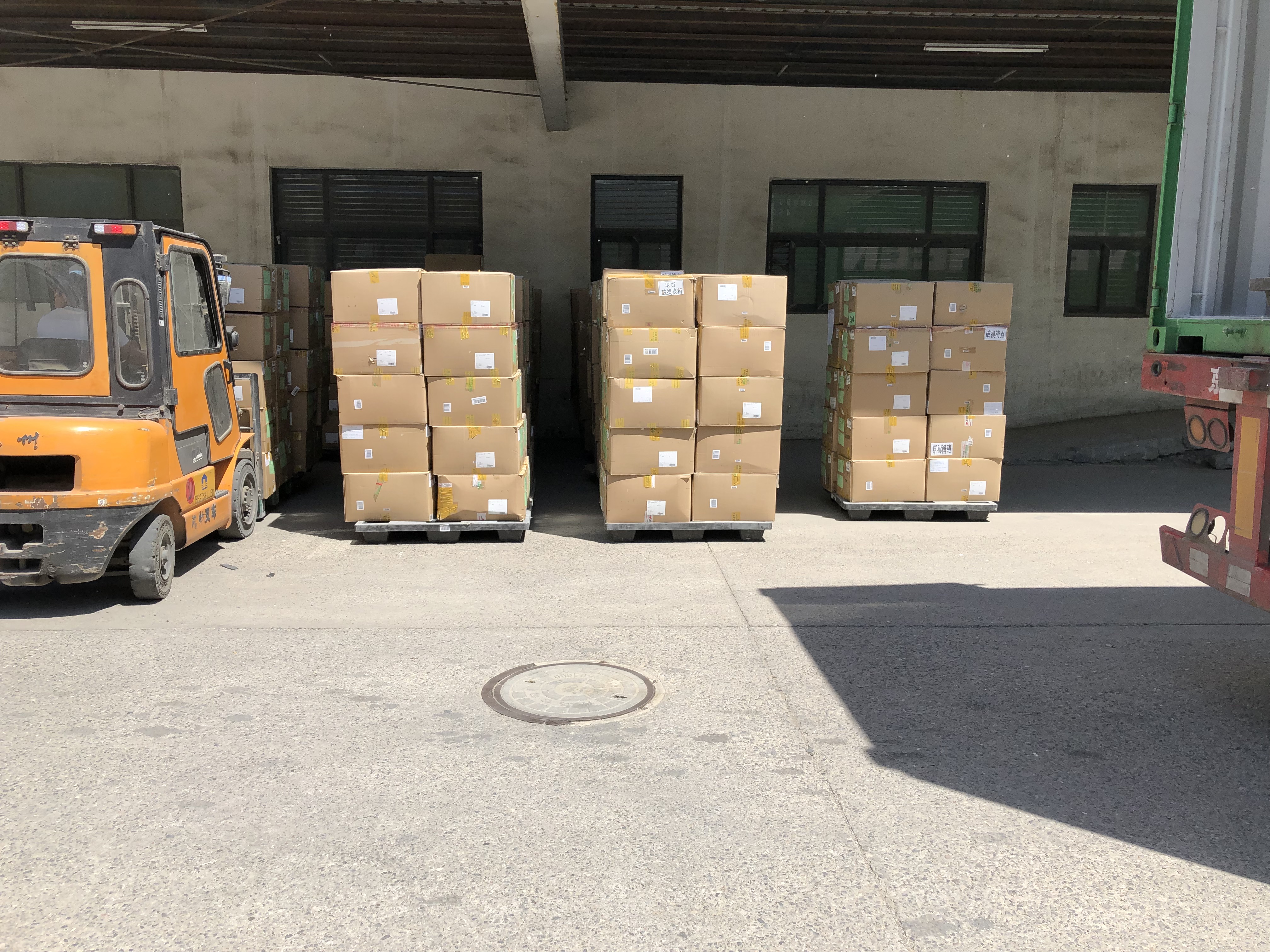
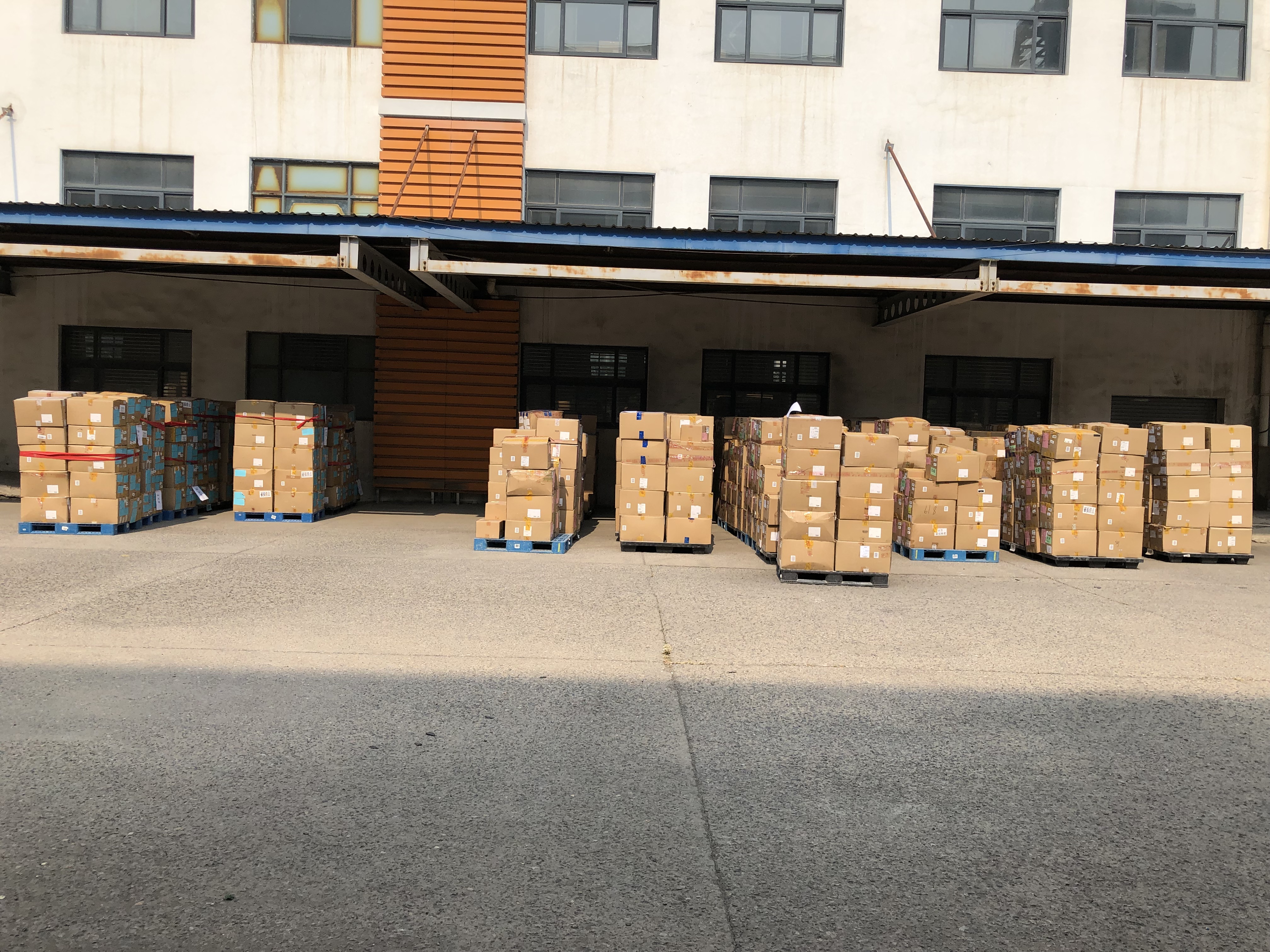
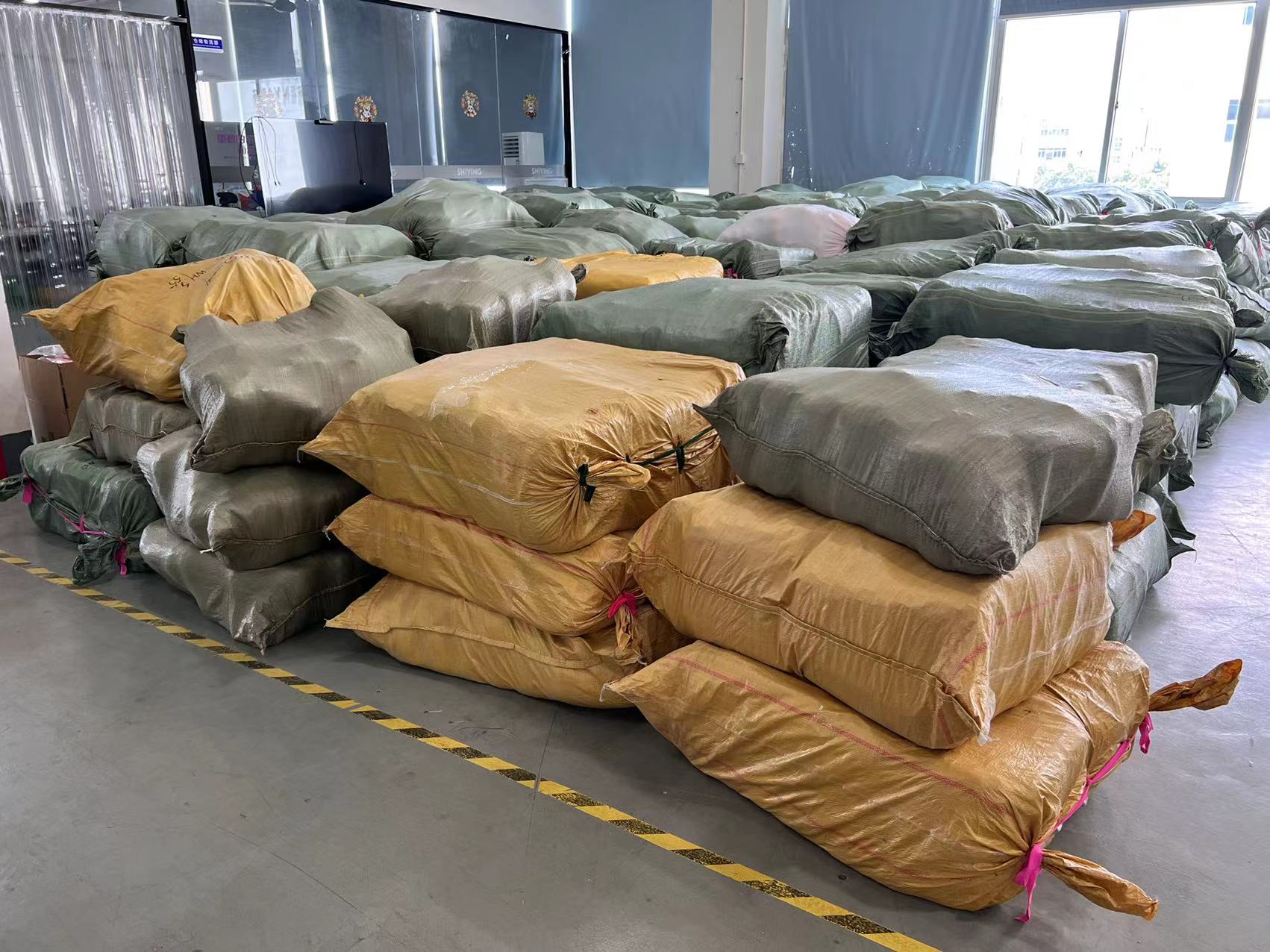
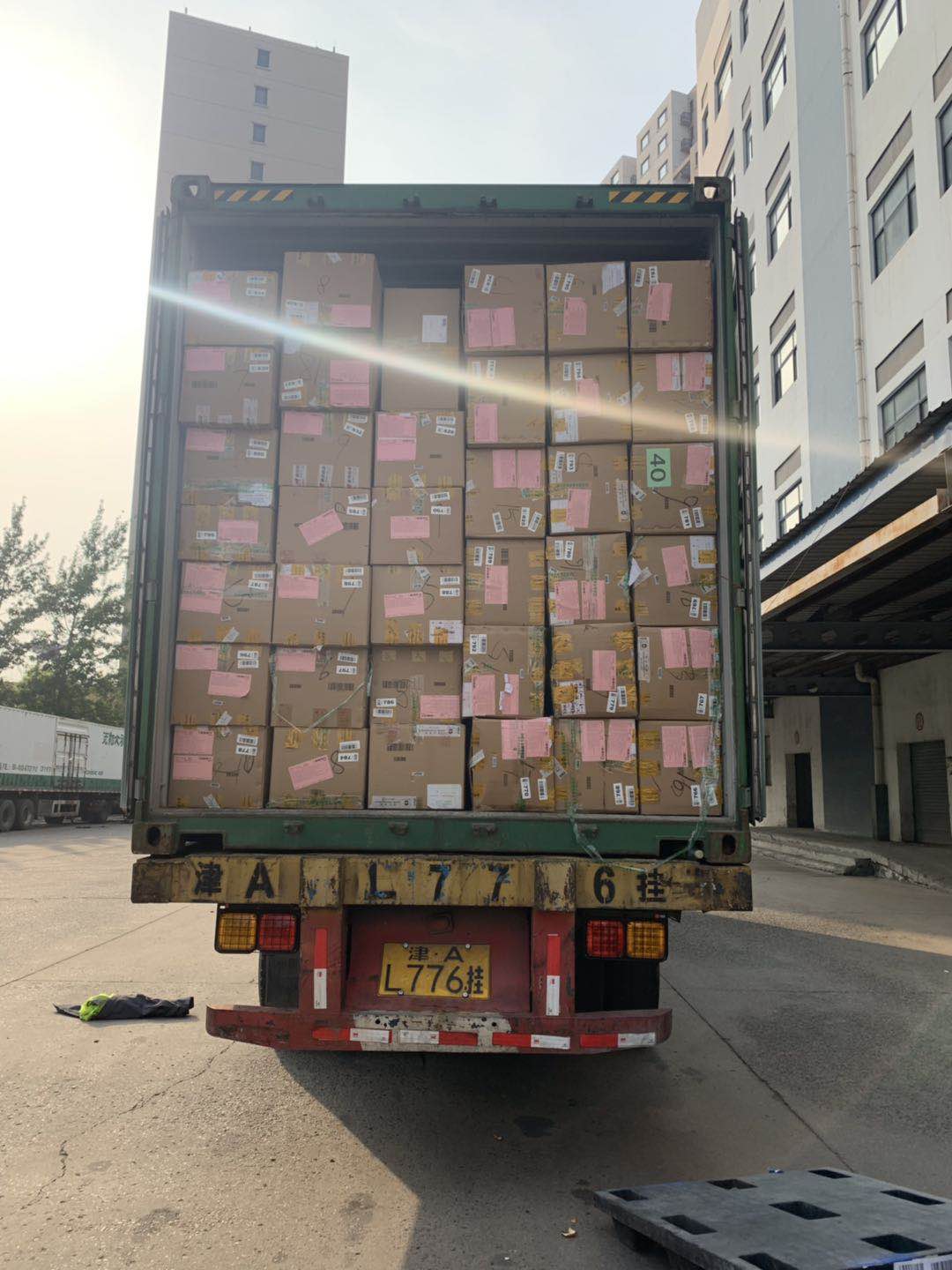
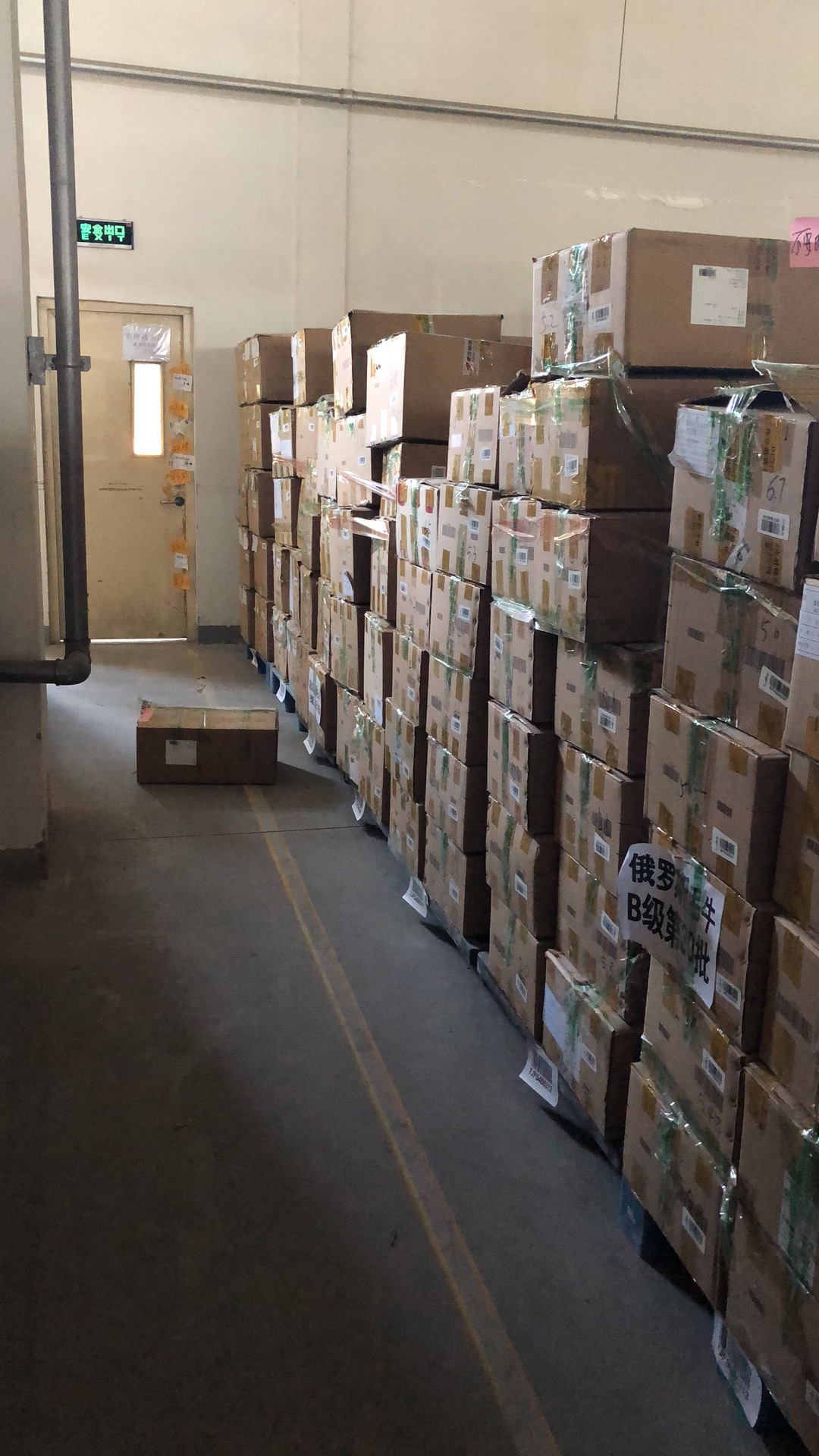
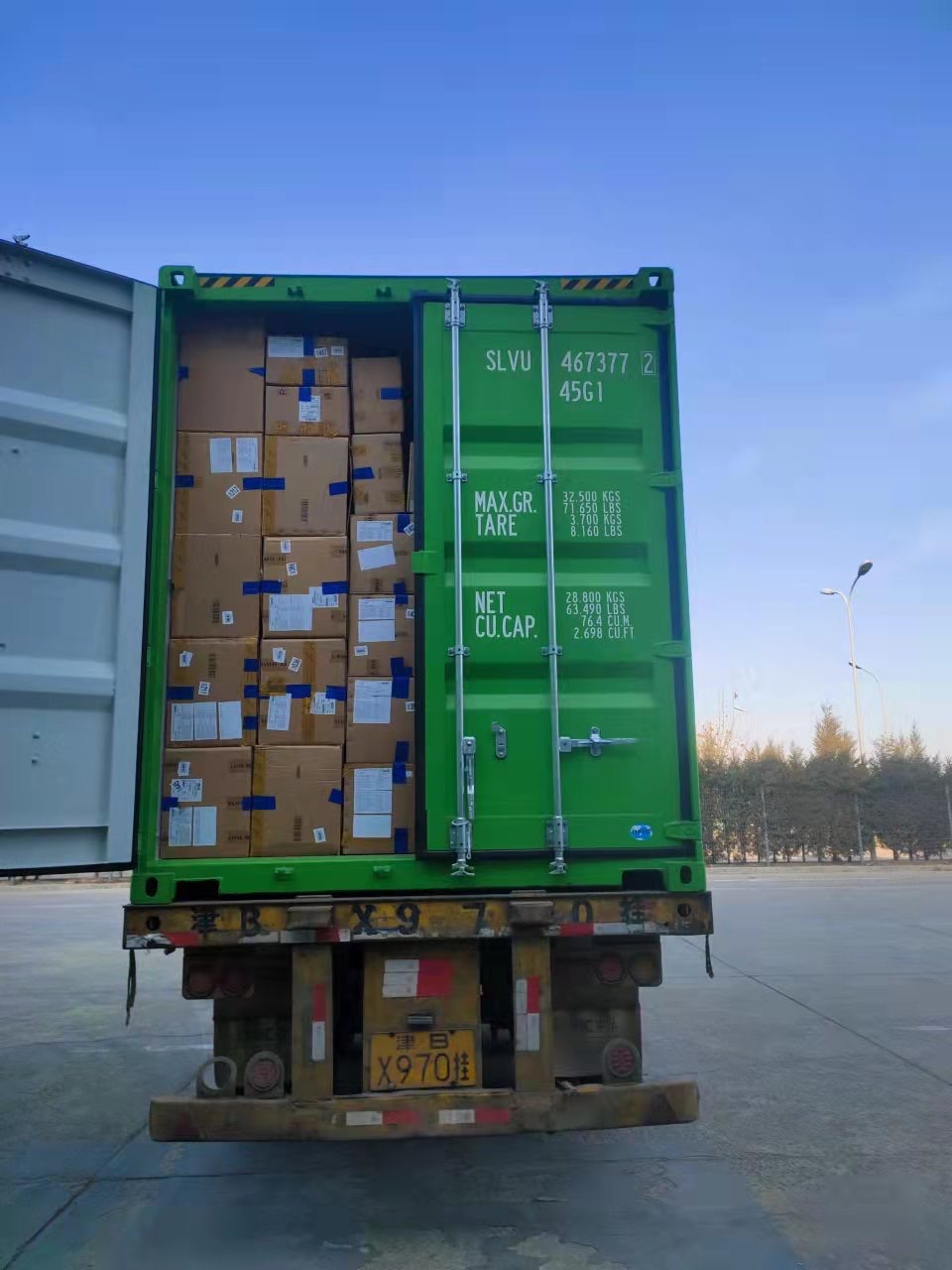
For a long time, the inventory trading industry has held a deep-rooted misconception: "Whoever holds more inventory is the industry king." This mindset stems from the industrialization-era scale logic — as long as you have goods, you can sell; with channels, you can win. However, when we focus on the branded inventory surplus market of the 2020s, a distinctly different truth emerges: inventory products are essentially specific non-standard goods, and what truly creates competitive advantage are those players who master the "invisible inventory" — that is, critical inventory information resources.
This report's core arguments are threefold:
- Inventory products are non-standard: Each batch of inventory is a unique "time capsule," carrying a complex combination of specific brand, production batch, size distribution, channel source, and quality status — not to be summarized by a standardized SKU label.
- Information resources outweigh physical inventory: In a buyer's market with oversupply, knowing "where the goods are" is only basic skill; knowing "when this batch will be released," "who is in urgent need to sell," "what condition is most favored by the market," and "where the price floor is" — that is the real differentiated competitiveness.
- Do not worship inventory holders: Wholesalers holding inventory are not the "god" of the supply chain; they are often passive bearers of inventory overstock, capital tightness, and information lag. Advanced players have long transformed into information service providers, using information to connect upstream and downstream, using data to predict trends, rather than simply hoarding goods and waiting to sell.
These three arguments collectively point to one conclusion: In the second half of branded inventory trading, the winning move is not in the warehouse, but in the database.
Introduction: A Counterintuitive Industry Reality
The branded apparel and footwear inventory market in 2026 is undergoing profound structural changes.
On one hand, global supply chain restructuring has brought unprecedented "inventory surplus" pressure. Southeast Asian factories have seen energy costs soar to more than 3 times 2022 levels, localized production capacity has been forced to shrink, and brand owners' off-season inventory continues to accumulate. On the other hand, the fragmentation of e-commerce channels has led to a sharp amplification of "information noise" — the same Nike sneakers may simultaneously exist in 10 different distribution channels, with prices ranging from authentic proxy purchases to "original surplus goods" to Putian replicas, presenting a complex distribution across a spectrum.
In such a market, the traditional "buy low, sell high" trading logic is failing. A wholesaler holding 100,000 authentic Adidas surplus items may be unable to sell them because they do not know the specific channel source of this batch (OEM surplus vs. brand direct procurement vs. dealer clearance), cannot provide a credible authorization chain to buyers, and ultimately stagnates in hand. Meanwhile, an "asset-light" player with only 500,000 yuan in working capital, if deeply knowledgeable about the following information combination: a brand is about to launch a global tag-removal promotion in Q3, a channel's procurement manager is looking for supplementary supply of specific categories, and a third-tier city dealer is willing to accept cash transactions slightly above market price — they can use this 500,000 yuan to leverage 5 million yuan in business, with profits far exceeding that wholesaler holding 100,000 items of stagnant inventory.
This is what this report reveals: The essence of inventory trading is no longer "trading," but "information service."
Chapter 1: Why Inventory Products Are "Specific Non-Standard Goods"
1.1 The Myth of Standard Goods
Before discussing inventory products, we need to clarify a prerequisite concept: what are standard goods?
Standard goods in the economic sense refer to commodities that are uniform in quality, highly substitutable, and transparent in pricing. For example, iron ore, crude oil, and industrial standard parts in commodity markets — their characteristics can be defined by clear specification indicators (composition content, model dimensions, performance parameters), and both trading parties focus on "whether this batch of goods meets specifications," not "which manufacturer produced these goods."
However, branded inventory products stand exactly on the opposite side of standard goods.
1.2 The Four-Dimensional Attributes of Non-Standard Goods
Branded inventory products are typical "specific non-standard goods," whose non-standard attributes are reflected in the following four dimensions:
First Dimension: Non-Homogeneity of Brand and Channel.
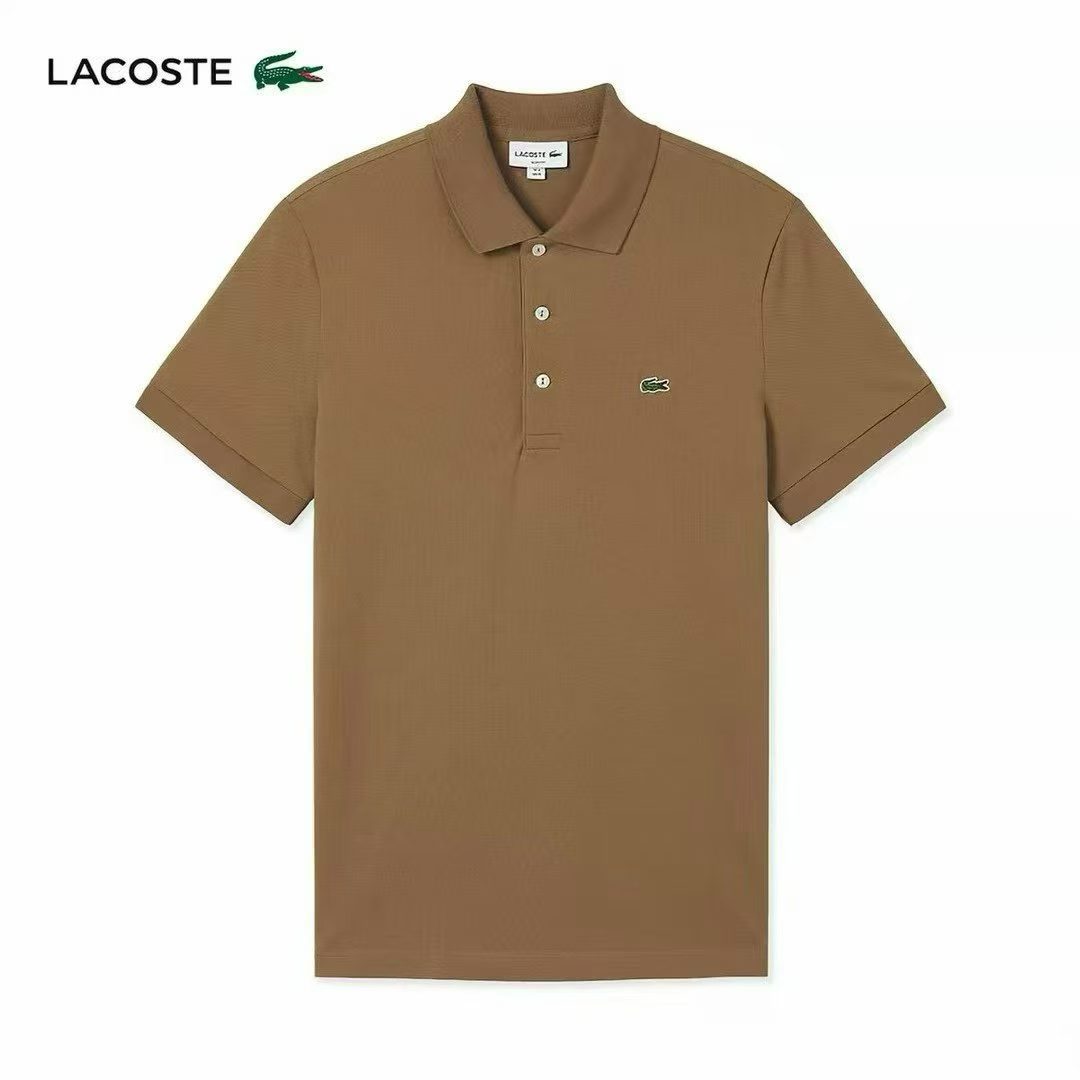
The same Lacoste Polo shirt — "authentic product from brand direct procurement" and "OEM factory surplus" have drastically different pricing power. The former can enter brand specialty store full-price sales channels openly, while the latter can only circulate in discount stores and live-streaming surplus channels. The difference in channel sources determines the product's "legal identity" and "commercial fate" — a shackle that any standardized SKU label cannot capture.
Second Dimension: Coupling of Time and Condition.
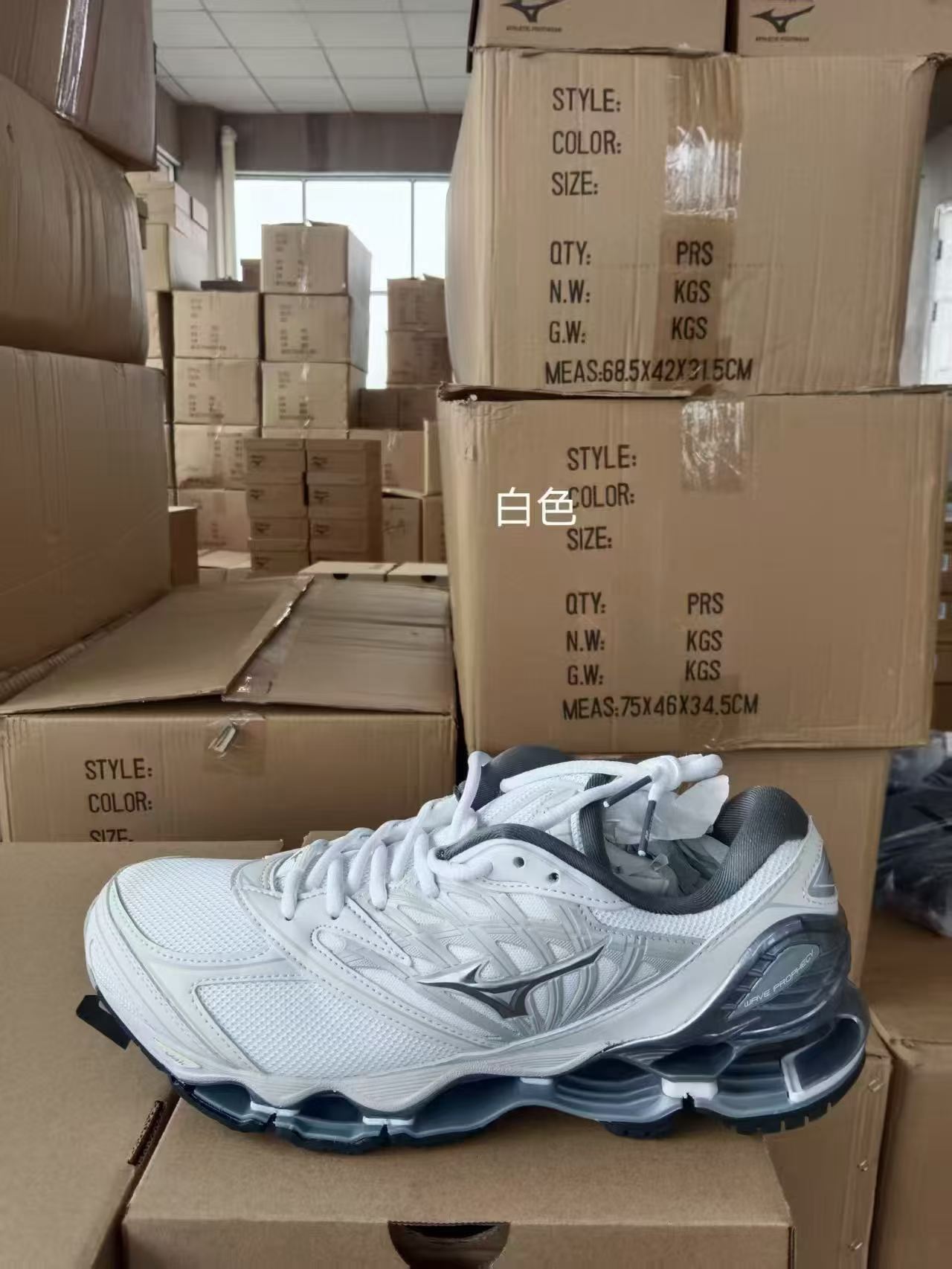
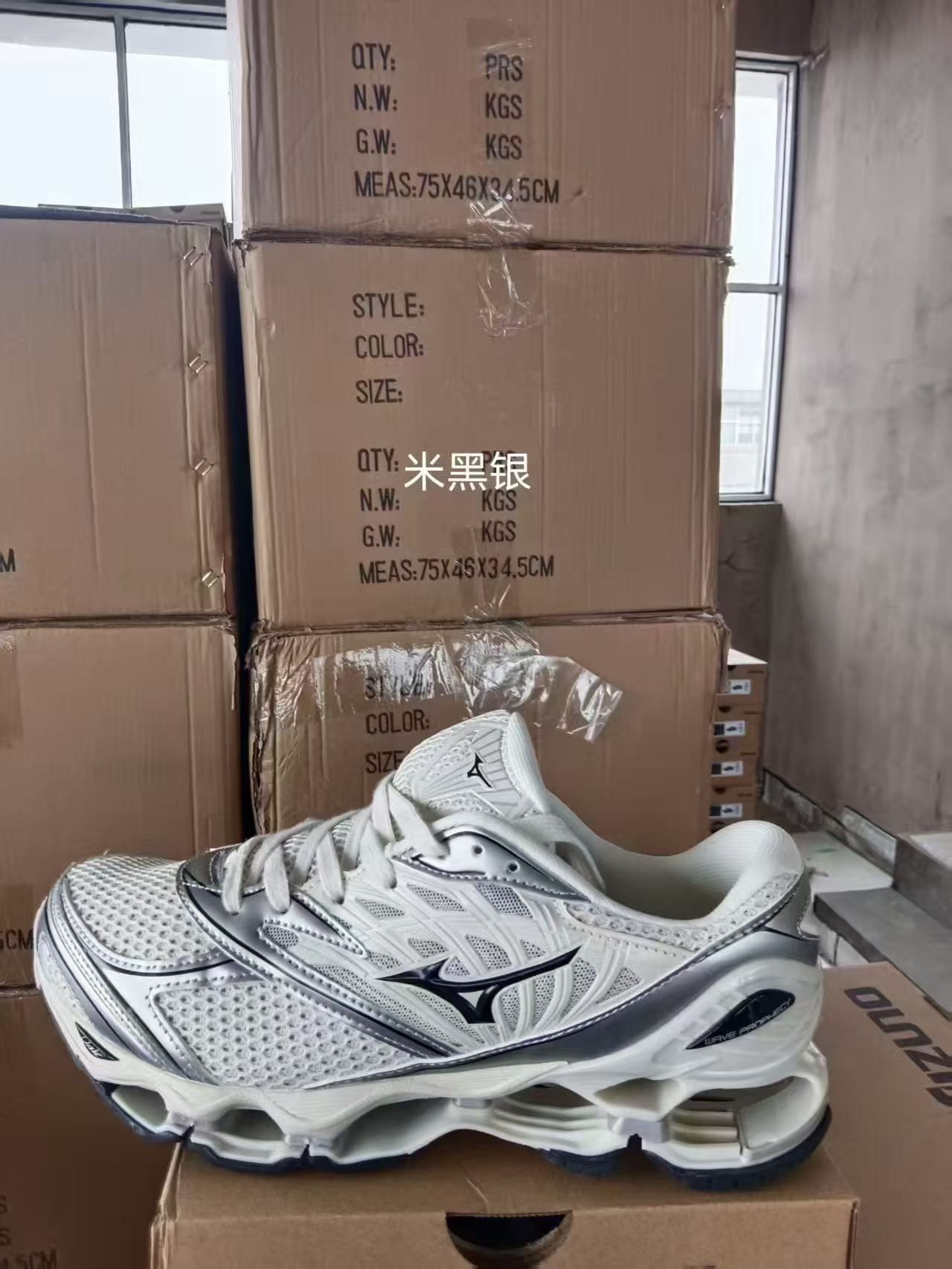
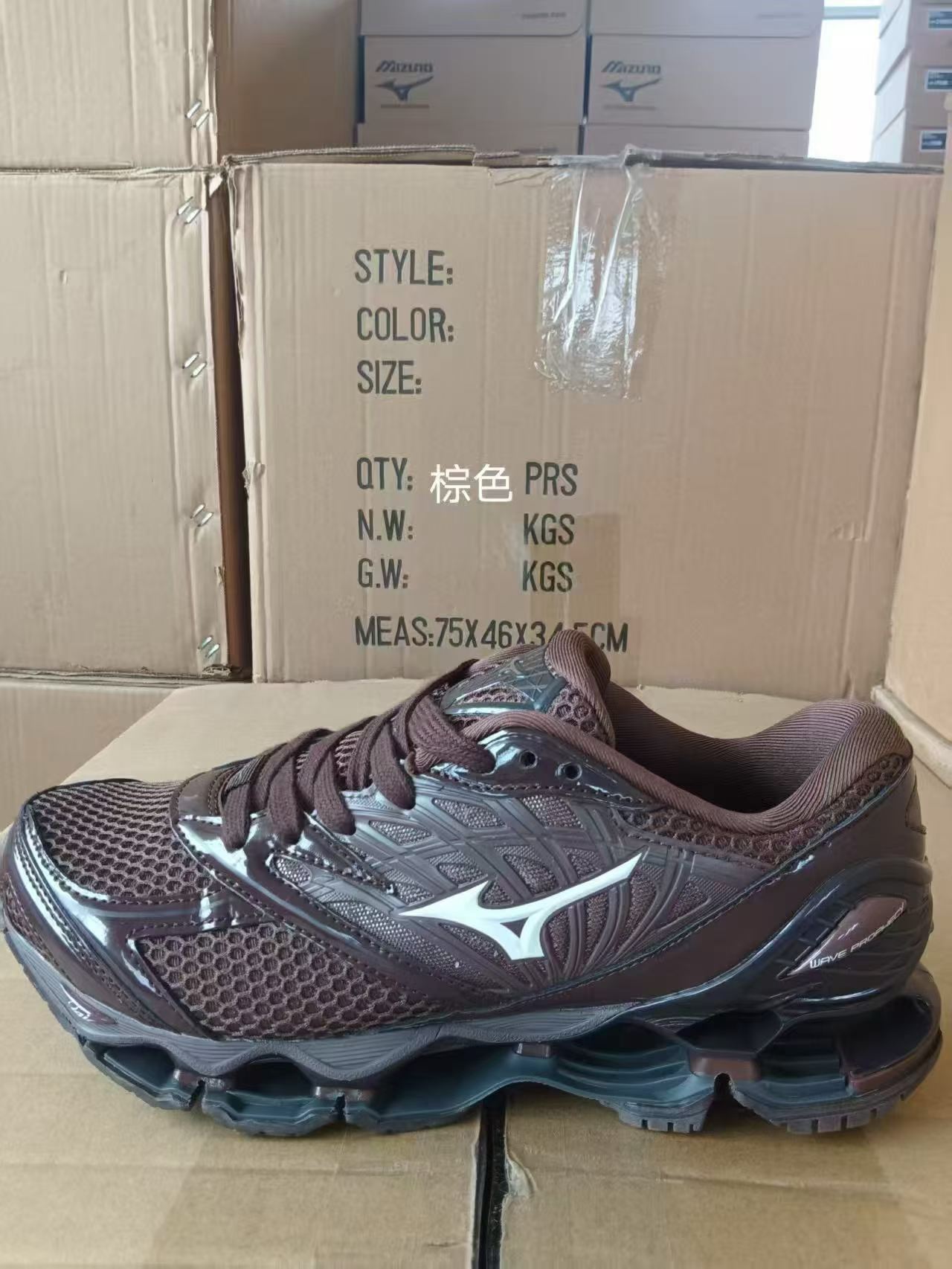
Inventory has a "shelf life." Here, "shelf life" is not a food safety concept, but a dual constraint of fashion lifecycle and capital turnover pressure — sportswear from one season ago and three seasons ago, even from the same brand, may have market values differing by 50% or more. Similarly, a pair of Skechers sneakers, brand new with hang tags versus "defective products" with tags removed but unopened packaging, receive drastically different treatment in the wholesale market. Time has turned each batch of inventory into a unique "time capsule," and the speed and direction of its value decay are specific.
Third Dimension: Uniqueness of Size and Ratio Distribution.
Inventory of branded apparel has never been "evenly distributed." A complete SKU matrix may have 180 SKUs (6 styles × 6 colors × 5 sizes), but brand returns are often "size-picked" — certain sizes are out of stock, certain sizes are overstocked. This specific size incompleteness turns each batch of inventory into a "unique puzzle piece," and buyers need to match specific inventory ratios according to their channel characteristics (Northern markets prefer XL/XXL, Southern markets prefer M/L).
Fourth Dimension: Ambiguity of Condition and Originality.
The gap between "authentic products" and "authentic products" may be larger than the gap between authentic products and counterfeit products. A Lacoste item "brand new with original packaging and hang tags" and a Lacoste item "without hang tags but guaranteed authentic" may have a wholesale market price difference of 30%-50%. Minor differences in condition (whether there is color difference, whether there are slight stains, whether tags have been cut) constitute a continuous spectrum, rather than a simple binary classification.
1.3 Commercial Implications of Non-Standardness
This four-dimensional non-standardness brings a profound commercial implication: In inventory trading, there is no concept of "the same batch of goods."
Two wholesalers both claim to have "5,000 Lacoste Polo shirts" in hand, but if any one of the channel source, production batch, size distribution, and condition status of these 5,000 items differs, they are completely different commodities. This is why the words "in stock" have extremely limited meaning in inventory trading — the real question is: What kind of "stock"? What kind of "goods"?
This leads to the core insight of this report: when products themselves are non-standard, non-price-comparable, and highly information-asymmetric, then the ability to capture, interpret, and transmit information naturally becomes the source of competitive advantage, even the core source.
Chapter 2: Why "Information Resources" Far Outweigh "Inventory"
2.1 The Value Chain of Inventory Information
Let us break down the generic concept of "information" into the types of information that truly create value in inventory trading. According to our industry observations, the following five categories of information constitute the core pyramid of inventory information value:
The Pinnacle: Predictive Information on Supply-Demand Mismatch.
This is the top layer of the information pyramid and the most scarce type of value. Specifically, it is predicting "when and in what manner a certain brand's certain batch of goods will flow into the market." This type of information requires establishing deep information channels with the brand's procurement department, OEM factory management, and even third-party service providers cleaning up inventory. A classic case: in Q3 2025, a certain international sports brand's China region inventory cleaning agency launched a "global tag-removal plan" three months in advance. The secondary wholesaler who obtained this information first had already locked in the optimal supply channel two weeks before the goods officially entered the market. When the floodgates officially opened, the highest-quality ratio allocation had already been "intercepted."
The Tower: Intelligence Information on Channels and Pricing.
That is, knowing "which channel this batch of goods is currently listed on," "where the seller's bottom-line psychological price is," and "what the recent market transaction price is for goods of the same quality." This type of information requires continuous market monitoring and mutual exchange within peer networks. Taking Skechers sneakers as an example, the same batch of "Grade F" (minor defects) inventory, if it is surplus from a Dongguan OEM factory, may be called at $8 in Guangzhou Shijing wholesale; if it is returned goods from brand direct procurement, the wholesale call price in Puning area may be $6. The same goods, different channel sources lead to price differences up to 30% — and this "channel intelligence" is something that any static inventory list cannot provide.
The Waist: Identification Information on Condition and Authenticity.
That is, knowing "what the actual condition of this batch of goods is," "whether counterfeit goods are mixed in," and "where the identification difficulties lie." In the inventory market, the credibility of the word "authentic" is far less reliable than the combination of factory orders, original factory shipment certificates, and brand authorization documents. Mastering condition identification capabilities and supply chain traceability capabilities can allow a wholesaler to stand out in homogeneous competition.
The Base: Basic Inventory Information.
That is, knowing "what goods are available in a certain wholesale market today" and "how much inventory a certain supplier has in hand." This is the most basic and most easily replicated layer among all information — essentially, it is just a digital relocation of "shelf display," with limited value.
2.2 Why Information Is Valuable: From an Economic Perspective
Starting from basic economic principles, we can understand why information can create excess value in inventory trading:
First, the marginal cost of information approaches zero.
Once a hot inventory information is captured by you, you can sell it to 10 customers at the same time without depleting the value of this information itself. This forms a sharp contrast with the "one goods, one sale" (once sold, gone) of physical inventory. An intermediary who masters exclusive supply-demand intelligence can use the same information to simultaneously serve multiple buyers and sellers, collecting commissions or price differences from them — this is pure "mental arbitrage."
Second, information can alleviate market uncertainty.
The biggest pain point of inventory trading is "uncertainty": uncertainty about whether this batch of goods is authentic, uncertainty about how much market price can hold, uncertainty about where the next buyer is. The essence of paid information is "purchasing certainty" — customers are willing to pay a premium for the hidden insurance of "reducing the probability of stepping on pitfalls." The intermediary providing this certainty is actually operating an "information insurance company."
Third, information can break the "Lemon Market" dilemma.
George Akerlof revealed a truth in his classic 1970 paper "The Market for Lemons": when buyers and sellers have extremely asymmetric information, high-quality goods will be squeezed out of the market by low-quality goods. The inventory market is exactly such a "lemon market" — because it is impossible to identify condition and authenticity, buyers tend to suppress quotes or simply stop trading. And an intermediary mastering reliable identification information is itself repairing the information asymmetry in the market, allowing suppressed trading demand to be released — this itself is value creation.
2.3 A Thought Experiment: What If There Is No Inventory, Only Information
Let us do an extreme thought experiment: assume you are an "zero-inventory" intermediary, and you only have one thing in hand — an inventory information retrieval system covering the entire industry. This system can tell you:
- Within the past 72 hours, what new goods have been added to major inventory wholesale markets nationwide
- Brand, category, quantity, quote, and seller contact information of these goods
- The transaction price range of similar goods in the past month
- Which goods are "hot items" (repeatedly inquired within 72 hours)
- Which goods are "stagnant items" (listed for 30 days with no takers)
With this system, what can you do?
You can be an "inventory information broker": when buyers inquire, you search the system for matching supply sources and charge 1%-3% commission from buyers; when sellers ship, you search the system for interested buyers and charge the same commission from sellers. You do not need to advance capital to hoard goods, do not need to rent warehouses, and only need to pay the system maintenance cost and labor cost.
In theory, the gross profit margin of this model can be far higher than the traditional wholesaler's "buy low, sell high" — because you are using information to "broker," not using capital to "gamble."
Of course, this thought experiment has two premises: first, you need to establish a reliable information collection and update network; second, you need to gain the trust of both buyers and sellers (this itself is the hardest "intangible asset"). But under the digital infrastructure of the 2020s, the difficulty of realizing these two premises is exponentially decreasing — social media community operations, B2B platform digital leads, and AI recommendation algorithm matching capabilities are all making the "zero inventory, asset-light" information service provider model feasible.
This is why we say: in the second half of inventory trading, the real gold mine is not in the warehouse, but in the database.
Chapter 3: Criticizing "Inventory Fetishism" — Why You Should Not Worship Wholesalers
3.1 What Is "Inventory Fetishism"
"Inventory Fetishism" is a concept we invented to describe a widely existing mindset in the inventory trading industry: the linear logic of "having inventory = having discourse power = being able to make money." The manifestations of this mindset include:
- "I have millions of goods placed here, still afraid they won't sell?" — treating inventory as a "moat"
- "Look at the Adidas, Nike, and Lacoste in my warehouse, which one is not a prestigious brand?" — treating brands as "hard currency"
- "I have relationships with manufacturers, I can get this batch of goods first, do you have them?" — treating channel relationships as "core competitiveness"
These statements all have certain reason when taken individually. But when we examine them from a more macro industry perspective, we will find that they have a common blind spot — they only consider what they "have," but do not consider what the market "needs" and "who else can provide what."
3.2 The Triple Dilemma of Inventory Holders
Wholesalers holding inventory actually face three dilemmas more complex than we imagine:
First Dilemma: Capital Lockup.
A 5-million-yuan inventory occupies 5 million yuan of working capital. Even if this batch of goods turns over once a year, ROC (Return on Capital) is only about 10%. But if the same 5 million yuan is used for information operations — such as purchasing ERP systems, building community networks, and investing in intelligence collection — theoretically, it can provide services for unlimited "virtual inventory" at the same time, with marginal cost approaching zero.
Of course, there is an important caveat here: we are not saying "wholesalers should not hold any inventory." What we are pointing out is: the way capital is used is a continuous spectrum, and pure no-inventory models and pure heavy-inventory models are at the two ends of this spectrum, and the optimal choice is often at a certain position in the middle — depending on your confidence level in information operation capabilities.
Second Dilemma: Price Pressure.
Holding inventory means bearing the "price decline risk." In the inventory market, oversupply is the norm — when there are sufficient similar goods in the market, the discourse power of price shifts from "supply side" to "demand side." A wholesaler holding 20,000 pieces of a certain brand's sportswear, if unable to find suitable buyers within three months, will face a difficult choice: either continue to press inventory waiting for the next buyer (bearing capital cost), or sell at a discount (bearing losses).
Intermediaries who master information can choose to "only be brokers, not hold inventory" — they guide buyers and sellers to complete transactions, collect commissions, and do not need to bear the risk of inventory price fluctuations at all.
Third Dilemma: Lagging Inventory Information.
The most ironic thing is that many wholesalers holding large amounts of inventory actually do not really understand the goods in their hands. They know they have "5,000 Lacoste POLO shirts," but they do not know: what is the production batch of these 5,000 pieces, what is the proportion of this batch in the brand's original SKU matrix, how much additional "secondary packaging" cost is needed if this batch of goods is to be sold in e-commerce channels, and how many similar goods are competing in the market during the same period.
Real inventory information — not just "whether there are goods," but "the relative position of these goods on the time axis and space axis" — is often held in the hands of intermediaries who have deep connections with brand owners and supply chains, not those wholesalers who pile goods in warehouses.
3.3 A Real Case Comparison
To better illustrate the problem, let us use a hypothetical but typical case to compare the two models of "heavy inventory wholesaler" and "information operation intermediary":
| Dimension |
Heavy Inventory Wholesaler (A) |
Information Intermediary (B) |
| Core Asset |
5 million yuan in inventory goods |
5 million real-time updated inventory leads |
| Revenue Source |
Price difference from buying and selling |
Commission, membership fees, information service fees |
| Unit Economic Model |
10% ROC/round × 2 rounds/year ≈ 20%/year |
2% commission × 50 orders/month × 500K/order = 6M/year (theoretical) |
| Core Capability |
Capital access + warehouse management |
Information collection + matching algorithm + trust endorsement |
| Expansion Boundary |
Limited by capital and warehouse capacity |
Limited by information and trust boundaries |
| Typical Pain Point |
Slow capital turnover, high price volatility, inventory stagnation |
Trust building difficult, information monetization model immature |
Of course, A and B are two "ideal types," and in reality, the vast majority of players are at a certain position between the two. But the message this comparison wants to convey is: when market competition intensifies and profit margins are compressed, the marginal advantage of Model B (information operation) will be exponentially amplified, while the marginal disadvantage of Model A (heavy inventory) will also be exponentially exposed.
3.4 Not Worshipping Wholesalers, Worshipping What?
If we do not encourage "inventory fetishism," what should we direct our attention to?
The answer is: the "infrastructure construction" of information operation — specifically, investment in the following five directions:
First, establish an information collection network.
You need to know "where the goods come from." This does not mean you need to go to the factory in person, but you need to know people who have information channels in factories, brand owners, and logistics companies. Information has hierarchies — the closer to the source, the more valuable.
Second, establish digitalization capabilities.
You need to standardize and digitalize the "what the goods are" that you know. A simple example: when a buyer asks you "what goods are available," you should not send them a vague voice message, but should send them a structured Excel table — brand, category, quantity, quote, size distribution, condition status, channel path. This information looks ordinary, but in actual operation, you will find that 90% of wholesalers cannot do it — they still use WeChat voice and Excel screenshots to manage inventory.
Third, establish trust endorsement.
You need to let buyers believe "what you say is true." In an industry with information asymmetry, trust is the most scarce commodity and also the most expensive "intangible asset." A reliable "identification team" and a transparent traceability system are your strongest competitive barriers.
Fourth, establish matching algorithms (or at least the awareness of matching).
You need to know "who this batch of goods should be sold to." This is not the intuition of "I know which buyer needs this goods," but requires a systematic method to record, analyze, and predict buyer demand. In the AI era, this can completely be achieved with the help of technical means.
Fifth, establish network effects.
You need to let your information "become thicker as it spreads." This means you need to continuously create value for participants in your information network (buyers, sellers, industry observers), making them willing to stay in your network and willing to share information with you. A successful industry information network has a "flywheel effect": more people joining the network → information in the network becomes richer → the value of the network to participants becomes greater → more people are willing to join.
Chapter 4: Implications for the Industry's Future
4.1 Three Inevitable Trends
Based on the above analysis, we believe the branded inventory trading industry is (or is about to be) undergoing three structural transformations:
First Trend: From "Warehouse Density" to "Information Density."
Future industry stars will no longer be "wholesalers with the largest warehouse area," but "data intermediaries with the widest information coverage." This means the core competitive elements of the industry are shifting from "capital scale + warehouse capacity" to "information collection capability + matching algorithm + trust endorsement."
Second Trend: From "Transaction Facilitation" to "Service Premium."
In a market with oversupply, the value of simply "bringing buyers and sellers together" is decreasing, because oversupply = buyer's market = buyers have enough choices. At this time, the intermediary's "value-added service" capabilities — such as condition identification, logistics fulfillment, financial advance, and channel customization — begin to show differentiated value.
Third Trend: From Small Circles to Networks.
Traditional inventory trading highly relies on the "circle" of acquaintance society — a prefecture-level city's apparel wholesale market is essentially an information network woven by kinship, fellow-townsman, and alumni relationships. The defect of this model is: the speed and breadth of information flow are limited by the physical boundary of the "circle." Social tools and B2B platforms in the 2020s are breaking this boundary, connecting "information islands" scattered in different cities and different channels into a larger network. Those who embrace this change first will obtain the bonus (excess return) of "network effects."
4.2 Action Priorities
If you are a practitioner hoping to stand out in the next stage of competition, we should prioritize the following three action directions:
Action 1: Build Your Own "Industry Information Desk."
Even if you do not have a technical background, you should start using tools like Excel/Notion/Airtable to systematically record your "industry knowledge" — including supplier profiles, buyer demand logs, historical transaction records, and market price trend charts. This is the starting point of a "data flywheel": every piece of information you record today will save you search time tomorrow.
Action 2: Build Your "Minimum Viable Information Network."
Do not try to build a grand information system covering the entire industry from the beginning. Start with a smallest, high-frequency "information source" — for example: three trustworthy supplier contacts, five buyer clients with continuous demand, and one daily-updated industry information subscription source. Then, gradually expand the boundary of this network.
Action 3: Invest in Your "Trust Assets."
Every time you provide accurate information to a buyer, every time you stand on the side of justice in a transaction dispute, every time you provide a "pitfall avoidance guide" to a novice buyer — you are making a valuable "deposit" into your "trust account." In an industry with information asymmetry, trust is the most scarce "hard currency" and also the "asset" you should most consciously invest in.
Conclusion: Let the Information Flywheel Turn
Returning to the three core arguments at the beginning of this report:
- Inventory products are specific non-standard goods — they cannot be simply labeled, each SKU is a unique combination of time, channel, size, and condition.
- Information resources far outweigh inventory — in a market with oversupply and information fragmentation, knowing "what kind of goods this batch is, who it should be sold to, and how much it is worth" is more important than holding "this batch of goods" in hand.
- Do not worship inventory wholesalers — they often bear the triple pressure of capital lockup, price fluctuations, and information lag. What is truly valuable is not their warehouse, but the industry experience and relationship network they have accumulated over the years.
In the next battle of inventory trading, the starting gun is not "how much money you have," but "how much you know" — and whether you have the ability to transmit the information you know to those who need to know.
May every practitioner become the person who "lets the information flywheel turn."
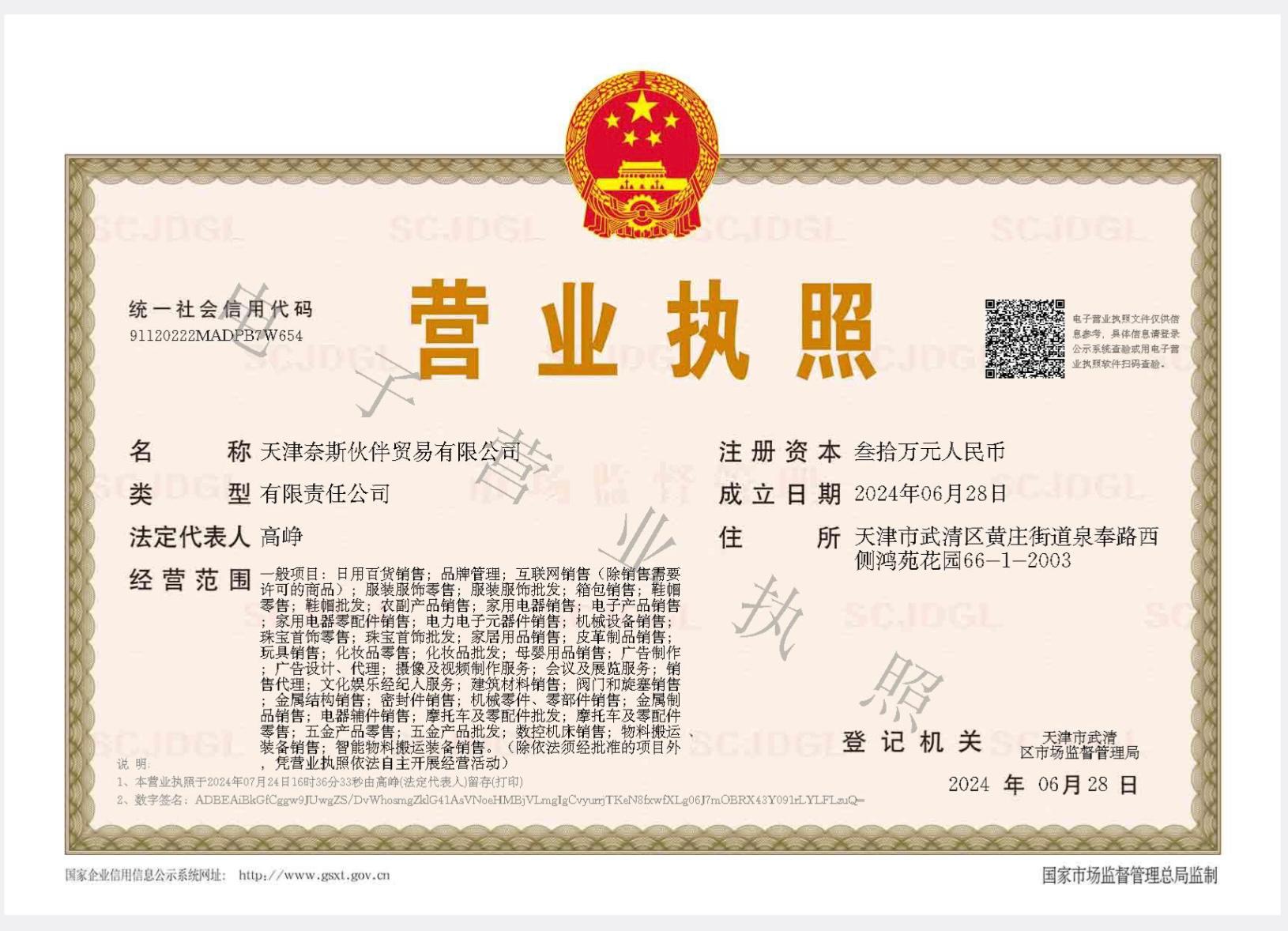
Source: Internal Analysis by Tianjin Nice Partner Trading Co., Ltd. Research Team
Tianjin Nice Partner Trading Co., Ltd. | nicepartnertrading.com